CBD Oil
Cannabinoid extracts suspended in a carrier oil and sold in dropper bottles, in full spectrum, broad spectrum and isolate forms with the strength per millilitre stated plainly. We make no health claims about these products.
CBD oil is a cannabinoid extract suspended in a carrier oil and sold in a dropper bottle. The label carries two numbers that matter: the volume of the bottle in millilitres, and the total cannabinoid content in milligrams. Everything else on the packaging is secondary to understanding the relationship between those two figures.
This page explains spectrum, carriers, how to read a label properly, and how to work out what a single drop actually contains. It also sets out plainly where these products sit in Canadian law, which is more complicated than most product pages admit.
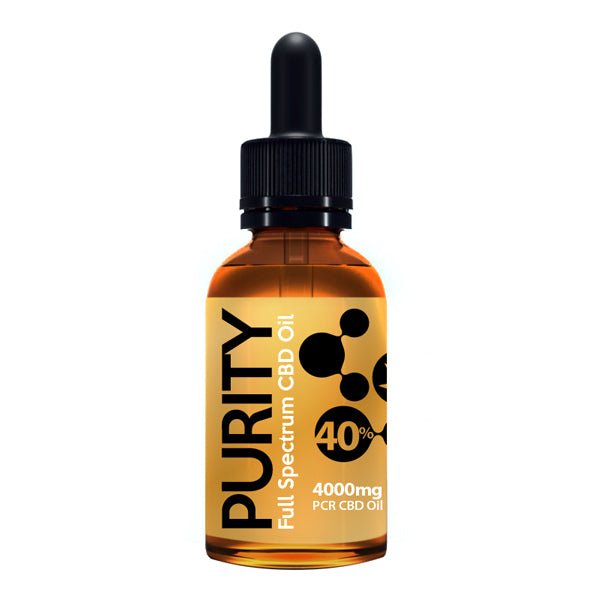
Showing all 10 results
-
CBD Oil
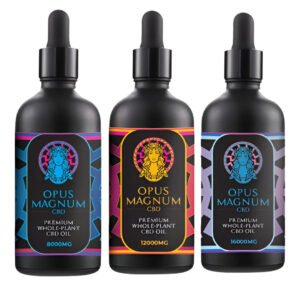
Opus Magnum High Potent Full Spectrum CBD Oil 50ml
$69.99 to $119.99 Select options This product has multiple variants. The options may be chosen on the product page -
CBD Oil
Organic CBD Oil
$19.99 to $24.99 Select options This product has multiple variants. The options may be chosen on the product page -
CBD Oil
Supreme CBD Organic Full Spectrum CBD Oil
$54.99 to $89.99 Select options This product has multiple variants. The options may be chosen on the product page
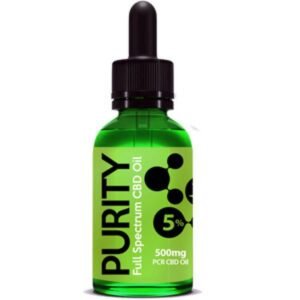
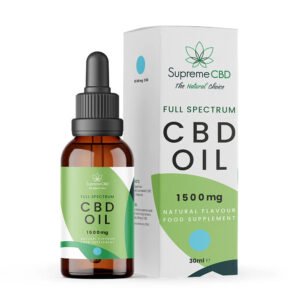
Full spectrum, broad spectrum and isolate
Full spectrum extract retains the complete range of compounds present in the source plant, including minor cannabinoids and terpenes, and including trace THC. Broad spectrum retains that range but has had the THC removed through an additional processing step. Isolate is a single purified cannabinoid, typically 99 percent or above, with everything else stripped out.
The practical differences are taste, colour and composition. Full spectrum products are darker, taste distinctly of plant matter and vary batch to batch. Isolate is a white crystalline powder that dissolves into a carrier with essentially no taste and no colour, which is why it is used where flavour matters.
Which is better depends entirely on what you want, and claims about one being inherently superior go beyond what the evidence supports. What is objectively true is that full spectrum products contain trace THC and isolate does not, which matters if you are subject to any form of testing.
Carrier oils and why they are chosen
Cannabinoids are fat soluble, so they must be suspended in a fat to be usable. The carrier is not filler, it is what makes the product work, and the choice changes taste, texture and shelf life.
MCT oil, usually from coconut, is the most common. It is thin, nearly tasteless, stays liquid at room temperature and has a long shelf life. Hemp seed oil is used for products that want a whole plant character and tastes distinctly grassy. Olive oil appears occasionally and brings its own strong flavour.
Thin carriers make dropper dosing more consistent, because viscosity changes drop size. If you are comparing two products by drops rather than by millilitres, a difference in carrier alone can make the comparison meaningless.
Reading a label and doing the arithmetic
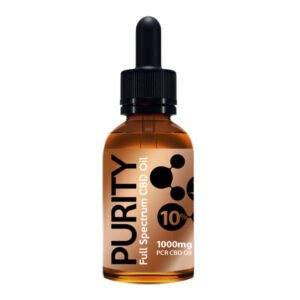
A bottle marked 1000 mg in 10 mL contains 100 mg per millilitre. A standard dropper millilitre is about twenty drops, so each drop holds roughly 5 mg. That is the entire calculation, and it is the only way to compare two products honestly.
Total milligrams alone tells you nothing, because a 1000 mg bottle at 30 mL is three times weaker per drop than a 1000 mg bottle at 10 mL. Percentage figures work the same way: a 10 percent oil is 100 mg/mL regardless of bottle size.
Look for a batch number and a certificate of analysis. A certificate from an independent laboratory confirming cannabinoid content is the single most useful thing a supplier can provide, because the number on the front of a bottle is a claim until something verifies it.
Oil types compared
The table sets out how the three extract types differ on the things you can actually verify.
| Type | Contains THC | Other cannabinoids | Taste | Colour | Typically chosen for |
|---|---|---|---|---|---|
| Full spectrum | Trace amounts | Yes, plus terpenes | Strong, plant like | Dark green to brown | Whole plant composition |
| Broad spectrum | Removed | Yes, plus terpenes | Moderate | Amber to gold | Range without THC |
| Isolate | None | None | Essentially neutral | Clear | Precision and neutral flavour |
| Water soluble | Varies | Varies | Varies | Varies | Mixing into drinks, see CBD drinks and teas |
Water soluble preparations are emulsified rather than genuinely dissolved, and they behave differently again. They sit in our drinks and teas range.
How these products are typically used
The usual method is sublingual: the oil is placed under the tongue and held there for a short period before swallowing, which allows some absorption through the tissue rather than through the digestive tract alone.
People generally start at the low end of whatever the supplier suggests and adjust slowly, giving each amount several days before changing anything. Changing more than one variable at once, or adjusting daily, makes it impossible to tell what any given change did.
Consistency of timing matters more than most people expect. Taking a product at wildly different times makes any self assessment unreliable. Keeping a simple written note is more useful than memory.
Storage and shelf life
Light, heat and oxygen degrade cannabinoids, which is why these products are sold in amber or cobalt glass rather than clear bottles or plastic. Decanting into a clear container defeats the packaging.
Store upright in a cool cupboard rather than a bathroom cabinet or a windowsill. Refrigeration is not necessary and can thicken some carriers enough to make dropper dosing inconsistent, though it does no harm otherwise.
Most products carry a best before date of a year or two from manufacture. Cloudiness or separation in a cold room is usually the carrier rather than spoilage and clears on warming. A product that smells genuinely rancid has oxidised and should be replaced.
What separates a good product from a poor one
Independent laboratory testing is the first thing to look for, and a current certificate of analysis matched to the batch number on the bottle is the gold standard. Testing should cover cannabinoid content, and ideally also pesticides, heavy metals and residual solvents.
Extraction method is the second. Supercritical CO2 extraction leaves no solvent residue and is the most common quality method. Ethanol extraction is also clean when done properly. Cheap hydrocarbon extraction done badly leaves residue, which is exactly what solvent testing exists to catch.
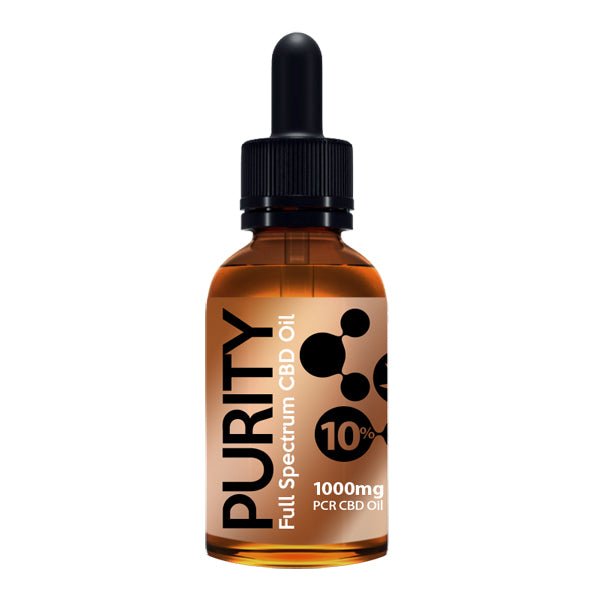
Clear labelling is the third. A bottle that states extract type, total cannabinoid content, volume, carrier oil and batch number is telling you everything you need. One that says only strong or premium is telling you nothing.
How the extract is actually made
Extraction separates the compounds you want from the plant material you do not. Three methods dominate, and the method used has a direct bearing on what ends up in the bottle.
Supercritical CO2 extraction pushes carbon dioxide above its critical point, where it behaves partly as a liquid and partly as a gas, through the plant material. It is tunable, it leaves no solvent residue because the CO2 simply evaporates, and it is the most expensive to set up. Ethanol extraction is efficient and clean when the solvent is properly recovered, and it is well suited to large batches. Hydrocarbon extraction using butane or propane is effective and produces excellent yields, but it demands rigorous purging and proper testing to confirm no residue remains.
After extraction comes refinement. Winterisation removes waxes and lipids that would otherwise cloud the product. Distillation concentrates the target cannabinoids further. Chromatography is how THC is stripped to produce broad spectrum. Each additional step costs money and removes more of the original plant, which is the trade behind the spectrum choice described above. The same extracts appear in our concentrates range in unrefined forms.
Common mistakes when comparing products
The first is comparing total milligrams between bottles of different sizes, which tells you nothing about strength. Always convert to milligrams per millilitre before deciding anything.
The second is treating drops as a fixed unit. Drop size varies with the viscosity of the carrier and with the dropper itself, so a drop of a thick hemp seed oil product and a drop of a thin MCT product are not the same volume.
The third is assuming a higher price means a better product. Price tracks extraction method, testing and brand far more than it tracks quality of what is in the bottle. A mid priced product with a current certificate of analysis matched to its batch number is a better purchase than an expensive one without. The fourth is ignoring the carrier entirely when the carrier is a meaningful part of what you are swallowing.
Where these products sit in Canadian law
This matters and is frequently glossed over. In Canada, CBD is a cannabinoid and is regulated under the Cannabis Act regardless of whether it comes from hemp or from cannabis, and regardless of THC content. It is not treated as a food or an ordinary supplement.
That means legal retail sale of cannabis products in Canada runs through provincially authorised retailers, and that health claims about cannabinoid products are not permitted without authorisation. Health Canada on cannabinoids sets out the federal position directly and is worth reading rather than taking any retailer word for it, including ours.
We list what we stock, we describe it accurately, and we make no health claims about any of it. If you want the primary sources rather than a summary, Health Canada cannabis information and the Canadian Centre on Substance Use and Addiction are the places to start.
Ordering and delivery
We operate an age gate on every visit and ship only within Canada, in Canadian dollars. Carriers, timings and tracking are set out on our shipping and delivery page, and our returns policy page covers damage and faults.
Because these are consumable products, opened items cannot be returned unless there is a fault. Check the batch number against any certificate of analysis on arrival rather than after opening.
The rest of the range sits alongside this one: CBD edibles, CBD concentrates, CBD vapes and CBD drinks and teas all use the same underlying extracts in different formats, and our full CBD and hemp range lists everything together.
Common questions
How do I work out how much is in one drop?
Divide total milligrams by bottle millilitres to get the strength per millilitre, then divide by about twenty, since a dropper millilitre is roughly twenty drops. A 1000 mg bottle in 10 mL is 100 mg/mL, so each drop holds around 5 mg.
What is the difference between full spectrum, broad spectrum and isolate?
Full spectrum keeps the whole range of plant compounds including trace THC. Broad spectrum keeps that range but has the THC removed. Isolate is a single purified cannabinoid with everything else stripped out, which is why it is clear and essentially tasteless.
Why does the carrier oil matter?
Cannabinoids are fat soluble, so the carrier is what makes the product usable rather than filler. It also changes taste, viscosity and therefore drop size. Comparing two products by drops rather than millilitres can be meaningless if the carriers differ.
How should I store CBD oil?
Upright in a cool dark cupboard, in the amber or cobalt glass it came in. Light, heat and oxygen degrade cannabinoids. Avoid bathrooms and windowsills. Refrigeration is unnecessary and can thicken some carriers enough to make dropper dosing inconsistent.
What is a certificate of analysis and why does it matter?
An independent laboratory report confirming what a batch actually contains, ideally covering cannabinoid content plus pesticides, heavy metals and residual solvents. The number printed on a bottle is a claim until a certificate matched to that batch number verifies it.
What is the legal position on CBD in Canada?
CBD is regulated under the Cannabis Act regardless of whether it is derived from hemp or cannabis and regardless of THC content. It is not treated as an ordinary supplement, legal retail runs through provincially authorised retailers, and health claims are not permitted without authorisation. Health Canada publishes the current position.