Disposable Vapes
Sealed, pre filled and pre charged devices you use until the flavour fades, then recycle. Our Canadian disposable range runs from compact 2 mL capsules at $3.99 to 7000 puff devices at $27.99, all at or under the federal 20 mg/mL nicotine cap and all shipped from inside Canada.
A disposable vape is the simplest thing in this shop. It arrives charged, it arrives filled, and you use it until the flavour fades. There is no coil to change, no bottle to carry and no setting to get wrong, which is why so many people in Canada start here and why plenty of experienced vapers keep one in a coat pocket as a backup. What follows is the honest version of how these devices work, what the puff numbers on the box actually mean, and how to pick one that suits you rather than the one with the loudest packaging.
Everything on this page ships from inside Canada in Canadian dollars, at or below the federal 20 mg/mL nicotine cap, with the provincial rules covered separately. Prices in our current disposable range run from about $3.99 for a compact capsule device up to roughly $27.99 for a high capacity 7000 puff model, so there is a sensible option whether you are testing the format or replacing a pack a day habit.
Showing 1 to 12 of 41 results
-
Disposable Vapes
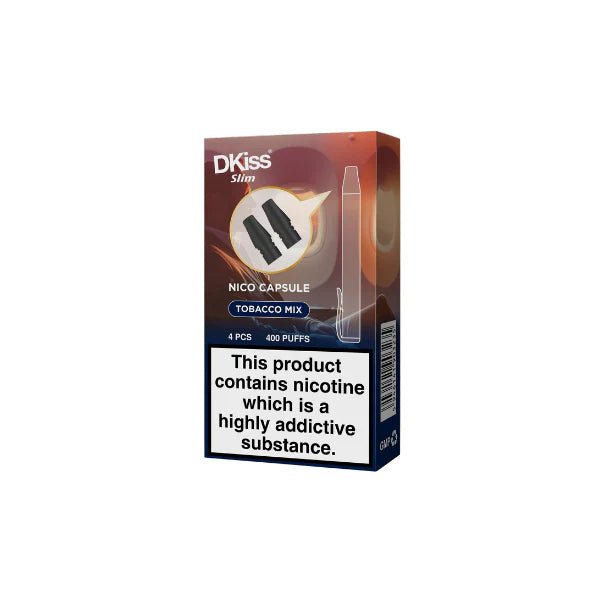
20mg Dkiss Slim Nico Capsule 400 Puffs Canada
$3.99 Select options This product has multiple variants. The options may be chosen on the product page -
Disposable Vapes
20mg Dkiss Slim Smokeless Nicotine Inhaler 400 Puffs Canada
$4.99 Select options This product has multiple variants. The options may be chosen on the product page
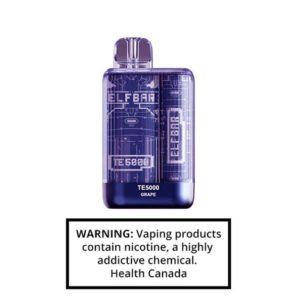
How a disposable vape actually works
Inside the shell there are only four parts: a lithium battery, a wick and coil assembly, a reservoir of e liquid and an airflow sensor. Drawing on the mouthpiece drops the air pressure past the sensor, the sensor closes the circuit, and the coil heats the liquid soaked into the wick until it turns to aerosol. No button, no menu, no wattage. That simplicity is the whole appeal, and it is also the limitation, because when any one of those four parts is finished the device is finished.
The part that usually gives up first is the wick. Once the liquid level drops below the point where the wick can stay saturated, the coil starts heating dry cotton and you get the harsh, burnt note everybody recognises. That is the device telling you it is done. It is not a fault and it is not something you can fix by charging it, which is the single most common misunderstanding we hear about. If the taste turns before you expect it to, our guide on why a vape stops hitting walks through the other causes.
Rechargeable disposables muddy the picture slightly. They carry a USB C port so the battery can outlast a single charge, but the liquid and the coil are still sealed in and still finite. A recharge buys you the rest of the liquid, not a second life. If the idea of recharging appeals, the logical next step is a refillable device, and refillable versus disposable vapes sets out that comparison properly.
What puff counts really mean
Puff counts are the headline number on every box and they deserve some scepticism. A manufacturer arrives at the figure using a machine that takes a consistent draw of a fixed duration, usually around two to three seconds, under the kind of conditions described in ISO 20768, the vaping machine standard. Human beings are not consistent. A long, slow, satisfying draw can be twice the volume of a testing puff, which means a device rated at 5000 puffs might deliver 2500 in real use.
The more useful number is on the same box and gets far less attention: the liquid capacity in millilitres. Liquid volume is a physical fact and puff counts are a modelling assumption. A 12 mL device will outlast an 8 mL device from the same maker regardless of what either box claims, because there is simply more in it. When you are comparing two products, compare millilitres first and treat the puff figure as marketing.
If you want an estimate grounded in your own behaviour rather than a lab machine, our disposable vape life calculator asks how often you actually reach for the device and works backwards from there. Most people are surprised by how far off the box figure sits.
Choosing the right size for your habit
The right device is the one that matches your consumption without leaving you carrying more battery and liquid than you will use. Someone who vapes socially at weekends and someone replacing twenty cigarettes a day are shopping for genuinely different products, and buying the biggest device on the shelf is not automatically better value if half of it goes stale in a drawer.
As a rough guide, a light user who reaches for a device a handful of times an evening will get through a 2 mL capsule style disposable in several days. A moderate user, the kind of person who would previously have smoked ten a day, tends to move through a mid capacity device in under a week. A heavy user replacing a full pack will empty even a 7000 puff device inside a week and is usually better served by a refillable pod system on cost alone.
That cost question is worth doing with real numbers rather than instinct. Our vaping versus smoking cost calculator compares what you currently spend against the disposable and refillable routes over a year, and for most pack a day smokers the gap is large enough to change the decision. If the answer points towards refillables, start with vape pods and vape kits.
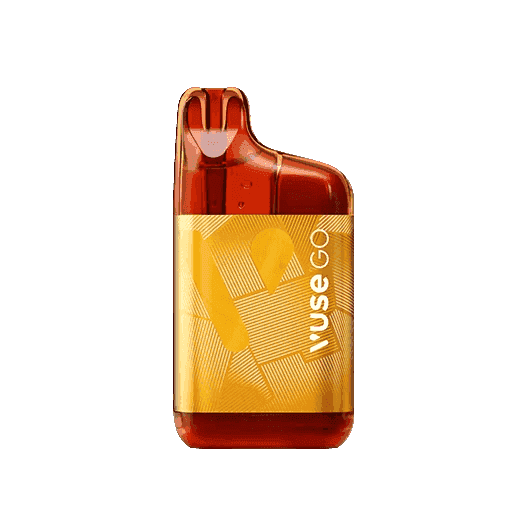
Disposable formats compared
Four broad formats cover almost everything in this category. The table below sets out who each one genuinely suits, using the capacities and prices in our current Canadian range rather than generic industry figures.
| Format | Typical capacity | Rechargeable | Best suited to | Price in our range |
|---|---|---|---|---|
| Capsule or slim | 2 mL, around 400 puffs | No | Occasional use, keeping one in a bag | From $3.99 |
| Standard bar | 2 to 5 mL, 1500 to 2500 puffs | Sometimes | Light to moderate daily vaping | Around $19.99 |
| High capacity | 8 to 12 mL, 5000 to 7000 puffs | Usually | Daily use, replacing a heavier habit | $21.99 to $27.99 |
| Nicotine free | Varies by model | Varies | Flavour without nicotine, stepping down | See nicotine free vapes |
Two practical notes on that table. Rechargeable does not mean refillable, and a higher puff count does not always mean lower cost per day once you account for the flavour fading before the liquid runs out. Buy for how you actually vape.
Nicotine strength and the Canadian cap
Canada limits nicotine in vaping products sold at retail to 20 mg/mL. That ceiling applies across the country and it is the reason Canadian disposables are not directly comparable to devices sold in markets with higher limits. Every disposable listed here sits at or under that cap. You can read the reasoning behind the limit in the federal nicotine concentration limit.
Almost all disposables use salt nicotine rather than freebase. Salt nicotine is smoother at high strengths, which is exactly what a small, low powered device needs in order to satisfy without scratching the throat. It also absorbs faster, so the relief arrives sooner. The trade off is that 20 mg salt is genuinely strong, and someone who was a light smoker often finds it too much.
If you are unsure where to start, our nicotine strength calculator takes your previous smoking habit and suggests a strength rather than leaving you to guess. Starting too high tends to produce dizziness and nausea, and starting too low tends to produce constant vaping in search of a satisfaction that never arrives. Neither is a good outcome, and both are avoidable.
Getting the most out of each device
Disposables are low maintenance rather than no maintenance. A few habits meaningfully extend how long one lasts and how good it tastes for that whole period.
- Take slower, gentler draws. Hard pulls flood the coil, waste liquid as condensation and make the device gurgle.
- Leave a few seconds between puffs so the wick can reabsorb liquid. Chain vaping is the fastest route to a burnt taste.
- Store it upright at room temperature. Heat degrades both the liquid and the battery, and a car in a Canadian summer gets hot enough to matter.
- Keep it out of the cold too. Lithium cells lose usable capacity in deep cold and the device can read as dead when it is only chilled. We cover this in vaping in cold weather.
- Recycle it properly. A disposable contains a lithium cell and should not go in household waste. Most Canadian municipalities run battery drop off points.
If a device stops producing vapour while it clearly still has liquid in it, work through disposable vape troubleshooting before assuming it has failed. Blocked airflow and a triggered safety cut off account for most cases.
Buying disposables legally in Canada
Vaping products in Canada sit under Tobacco and Vaping Products Act, which sets the federal rules on nicotine content, packaging, promotion and who may buy. On top of that, each province sets its own minimum age and its own restrictions on flavours and where products may be sold, which is why a flavour available in one province may not be available in another.
We ship only within Canada, we operate an age gate on entry, and we do not ship to any address outside the country. Full details of carriers, timings and tracking are on our shipping and delivery page, and our returns policy covers what happens if something arrives damaged. Provincial specifics are set out in vaping laws by province.
If you are vaping to move away from smoking, Health Canada quit smoking resources and the Canadian Cancer Society both publish independent guidance that is worth reading alongside anything a retailer tells you, including us.
Common questions
How long does a disposable vape last in Canada?
It depends far more on how you vape than on the number printed on the box. A 2 mL capsule device suits several days of light use, while an 8 to 12 mL high capacity device typically covers most of a week for a moderate daily vaper. Compare millilitres rather than puff counts, since liquid volume is a measured fact and puff counts come from a machine that draws more consistently than any person.
Why does my disposable taste burnt when liquid is still visible?
The wick can no longer keep up with the coil. Once the liquid level drops below the wick feed, the coil heats dry cotton and produces that harsh note. It cannot be reversed by charging the device, and it usually means the useful life has ended even though some liquid remains in the reservoir.
Can I recharge a disposable vape and refill it?
Many modern disposables recharge over USB C, but none of them are designed to be refilled. Recharging simply lets the battery outlast a single charge so you can finish the liquid that is already sealed inside. If you want to refill, a pod kit is the right format instead.
What nicotine strength should I choose?
Canada caps retail vaping products at 20 mg/mL and most disposables sit at or near that figure using salt nicotine. Heavier former smokers usually settle there comfortably, while lighter smokers often find it too strong and do better on a lower strength device or a refillable setup where more options exist. Our nicotine strength calculator gives a starting point based on your previous habit.
Are disposable vapes cheaper than smoking in Canada?
For most people, yes, though the margin varies by how much you consume. A daily disposable habit typically costs less than a pack a day smoking habit, and refillable devices cost less again over a year. Our vaping versus smoking cost calculator runs the comparison against your own numbers rather than an average.
How should I dispose of a finished device?
Never in household waste. Every disposable contains a lithium cell, and lithium batteries in general rubbish are a genuine fire risk in collection trucks and sorting facilities. Most municipalities in Canada operate battery and electronics drop off points that accept them.
Do you ship disposables outside Canada?
No. We ship within Canada only, in Canadian dollars, and we operate an age gate that requires you to confirm you meet the legal vaping age in your province before entering the store.