Vape Coils
Replacement coils matched to the exact tank you own, in mesh and round wire, from tight mouth to lung resistances through to sub ohm. The one consumable that determines how everything else tastes.
A coil is a length of resistance wire wrapped around an absorbent wick, sealed inside a small metal housing. It is the only part of a vape that actually does anything: the battery supplies power, the tank holds liquid, and the coil turns one into vapour. It is also the only part designed to be thrown away on a schedule.
Because it is consumable, the coil is where most vaping problems begin and end. A burnt taste, weak vapour, a flooded tank, a sudden collapse in flavour, all of these usually trace back to the coil rather than the device. This page covers resistance, materials, priming, lifespan and how to tell a worn coil from a problem that a new coil will not fix.
Showing all 6 results
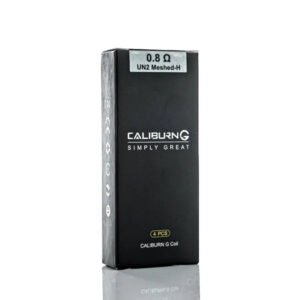
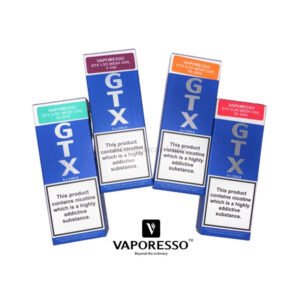
What a coil is and what it does
Inside the housing there is wire, cotton and a set of openings called juice ports. Liquid enters through the ports, soaks into the cotton, and sits against the wire. When you fire the device, current heats the wire, the wire heats the saturated cotton, and the liquid in contact with it vaporises.
The whole system depends on the cotton staying wet. Wick faster than you heat and everything works. Heat faster than you wick and the cotton dries, chars and produces the burnt taste everybody knows. Almost every coil decision, from resistance to liquid ratio to wattage, is really a decision about keeping that balance.
Coils are not interchangeable between tanks. Each tank takes a specific coil family, and even within a family the resistances differ. Buying the coil named for your exact tank is the only reliable approach, and every coil in our range is listed against the device it fits.
Resistance, and what the ohm number means
Resistance is printed on every coil in ohms. Lower resistance lets more current through, so the coil heats faster and hotter and produces much more vapour. Higher resistance restricts current, heats more gently and produces less.
That single number determines the whole character of your setup. Coils above roughly 1.0 ohm are mouth to lung coils: tight draw, modest vapour, and they suit the higher nicotine strengths that Canadian retail permits. Coils below roughly 0.6 ohm are sub ohm coils: airy draw, large clouds, and they demand much lower nicotine because you are inhaling far more aerosol per puff.
Getting this backwards is the most uncomfortable mistake in vaping. Putting 20 mg salt nicotine through a 0.15 ohm coil delivers several times the intended dose. Our nicotine strength calculator sets out the pairing, and the vape juice range lists the ratio each coil type wants.
Wire and wick materials
Kanthal is the default wire. It is stable, cheap, forgiving and works in plain wattage mode. Stainless steel works in wattage mode and also supports temperature control, which makes it the most versatile choice. Nickel and titanium exist only for temperature control and must never be fired in wattage mode, which is why they have largely disappeared from prebuilt coils.
Mesh has replaced traditional round wire in most modern coils, and the change is genuinely worth having. A sheet of perforated metal presents far more surface area to the wick than a coiled wire does, so it heats more evenly, ramps up faster and tends to last longer. If your tank offers a mesh option, take it.
Wicking is usually organic cotton. Some coils use ceramic, which handles heat well and lasts longer but takes noticeably longer to saturate and is less forgiving if you let it run dry.
Coil types compared
The table sets out the four coil families you will meet and what each one actually wants from you. Read across the row: the resistance, the wattage and the nicotine strength are a set, and changing one without the others produces a bad result.
| Coil type | Resistance | Wattage | Liquid ratio | Nicotine | Draw |
|---|---|---|---|---|---|
| Mouth to lung | 1.0 to 1.8 ohm | 8 to 16 W | 50/50 | 10 to 20 mg salt | Tight, cigarette like |
| Restricted direct lung | 0.6 to 1.0 ohm | 15 to 30 W | 60/40 | 6 to 12 mg | Slightly open |
| Sub ohm round wire | 0.2 to 0.6 ohm | 30 to 60 W | 70/30 | 3 to 6 mg freebase | Open, airy |
| Sub ohm mesh | 0.15 to 0.4 ohm | 40 to 80 W | 70/30 or higher | 3 to 6 mg freebase | Very open |
If a row does not match how you actually vape, change the coil rather than fighting the setup. Tanks that accept several resistances let you move between rows without buying new hardware, and our vape tanks range lists which coils each one takes.
Priming, and why it is not optional
Priming means saturating the cotton before the coil ever gets hot. Skip it and the first firing carbonises dry cotton permanently. No amount of liquid afterwards will lift that taste, because the cotton itself is burnt.
The procedure takes five minutes of attention and ten of waiting. Put two or three drops of liquid directly into each visible juice port, then a drop or two down the centre onto the exposed wick. Fit the coil, fill the tank, and leave it standing for a full ten minutes. Take three or four draws with no power if your device allows it, then start at the lowest wattage in the coil range and work up over the first tank.
Ceramic coils need longer, often fifteen minutes or more. Mesh coils saturate quickly but have a lot of surface area to wet, so do not rush them either. Ten minutes of patience routinely turns a two minute coil into a two week one.
How long a coil should last, and what shortens it
One to two weeks of normal use is the realistic expectation for most coils. Some people get three weeks, some get four days, and the difference is almost entirely liquid and technique rather than coil quality.
Sweetened liquids are the biggest factor by a wide margin. Sucralose and similar sweeteners do not vaporise cleanly, they caramelise onto the wire and build a dark crust that insulates the coil and tastes increasingly bitter. A heavy dessert or candy liquid can halve coil life. Fruit, menthol and tobacco profiles are far gentler.
Chain vaping is next, because the cotton has no time to reabsorb between draws. Running above the printed wattage range is third. Letting the tank run near empty is fourth, since the ports uncover and the wick starts drying. Keeping the tank above a quarter full costs nothing and helps a lot.
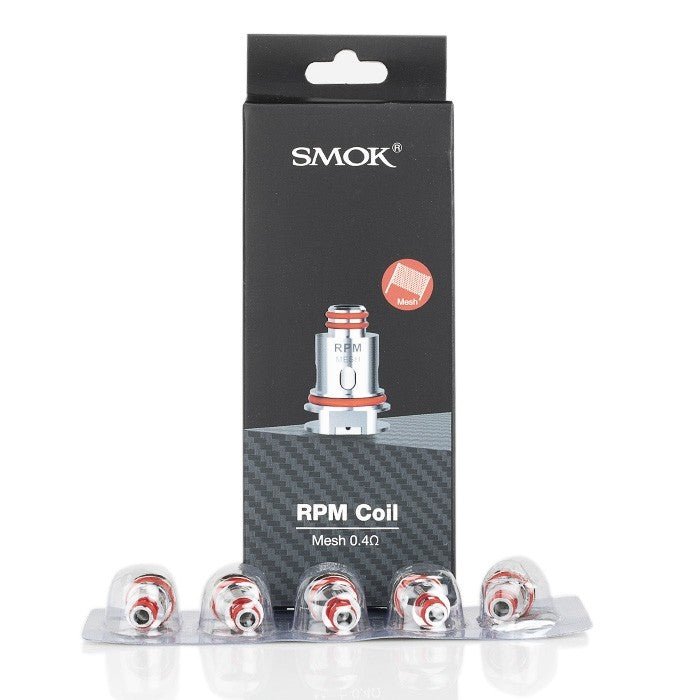
Telling a worn coil from a different problem
A worn coil has a recognisable signature: flavour fades gradually over days, vapour thins, and eventually a scorched edge appears that gets worse rather than better. That is normal ageing and a new coil fixes it.
A burnt taste that appears suddenly on a new coil is a priming failure or a wicking failure, not ageing, and the next coil will do the same unless you change something. A tank that gurgles and spits is flooded rather than worn, usually from draws that are too hard or a coil not seated squarely. Leaking from the base is a seal or a seating problem rather than a coil problem.
If a new coil tastes wrong immediately, check the liquid ratio against the resistance before buying more coils. High VG liquid in a tight mouth to lung coil will never wick properly and will burn every single time. Our walkthrough at why a vape stops hitting covers the full diagnostic order.
A maintenance routine that works
Coils last longer inside a clean tank. Three habits cover almost everything.
- Rinse the tank in warm water and dry it fully whenever you change coils or switch flavour families, so old residue does not sit against new cotton.
- Keep the tank above a quarter full, so the juice ports stay covered and the wick stays fed.
- Replace O rings when they look flattened or perished. They cost almost nothing and they are what stops leaking, which is otherwise blamed on the coil.
Buy coils in packs rather than singly. They are cheaper that way and having a spare in a drawer prevents the temptation to push a dying coil for another few days, which is how people end up inhaling burnt cotton. Our accessories range covers seals, spare glass and cleaning supplies.
Storing spare coils
Coils sit in sealed packaging for a reason. Cotton absorbs moisture and odours from wherever it is kept, and a coil stored loose in a bag for months will taste of that bag. Leave them sealed until the moment you fit one.
Keep them somewhere dry and at room temperature. Bathrooms are the worst place, because humidity gets into the cotton, and a glovebox is close behind because of the heat. A drawer is fine.
Coils do not have a meaningful expiry date if they stay sealed and dry, so buying a multi pack is straightforwardly cheaper than buying singles. What does age is anything already fitted to a tank and left sitting in liquid, which is why it is better to empty a tank than to leave it standing for weeks between uses. The same logic applies to vape juice left in a tank rather than a bottle.
Canadian rules and delivery
Coils themselves contain no nicotine and are simply hardware, but they are sold alongside products that fall under Tobacco and Vaping Products Act, which caps retail nicotine at 20 mg/mL and governs packaging and promotion. Provincial rules are tracked in vaping laws by province.
We operate an age gate and ship only inside Canada. Delivery detail is on our shipping and delivery page and our policy on faulty items is on the returns policy page. Coils are consumable, so a coil that has been fired and has burnt out through use is not a fault, but a coil that fails out of the packet is and we will replace it.
If you are choosing a setup rather than replacing a part, best vape for beginners in Canada is the better starting point, and Health Canada guidance on vaping publishes the federal position on vaping generally.
Common questions
How often should I change my vape coil?
One to two weeks of normal use for most people. Sweetened dessert and candy liquids can halve that, because the sweeteners caramelise onto the wire rather than vaporising cleanly. Change on a schedule rather than waiting for a burnt taste, since by then the cotton is already carbonised.
Why does my new coil taste burnt straight away?
It was fired before the cotton was saturated. Prime it by putting liquid directly into each juice port and onto the exposed wick, fill the tank, then wait a full ten minutes. Once cotton has carbonised nothing will recover it.
What does the ohm rating on a coil mean?
It is electrical resistance. Lower resistance passes more current, heats faster and hotter and makes much more vapour, so it needs low nicotine. Higher resistance heats gently, makes less vapour and suits higher nicotine and a tight cigarette like draw.
Can I use any coil in any tank?
No. Each tank takes a specific coil family, and resistances vary within that family. Always buy the coil named for your exact tank model. We list every coil against the devices it fits for exactly this reason.
What is a mesh coil and is it better?
Mesh is a perforated sheet of metal instead of a wound wire. It presents far more surface area to the wick, so it heats more evenly, ramps faster and usually lasts longer than equivalent round wire. If your tank offers a mesh option it is generally worth taking.
Why does my tank leak after changing the coil?
Usually the coil is not seated squarely, has been overtightened, or an O ring has perished. Check the seals before blaming the coil. Overfilling and hard draws also push liquid past seals that are otherwise fine.