Nicotine and Energy Pouches
Small sachets placed between lip and gum, with nothing burned, inhaled or spat out. Nicotine pouches in several strengths, and caffeine energy pouches that contain no nicotine at all.
A pouch is a small sachet of white filler material holding an active ingredient, placed between the lip and the gum. Nothing is burned, nothing is inhaled and nothing is spat out. Two quite different products share the format here: nicotine pouches, and caffeine energy pouches that contain no nicotine at all.
They are worth understanding separately because they do different things and suit different people. This page covers both, explains what the milligram figure on a tin actually refers to, and sets out how to use them without the beginner mistakes that put people off within the first hour.
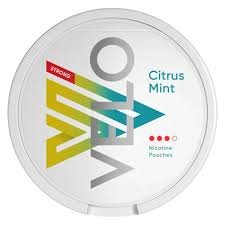
Showing all 5 results
-
Accessories
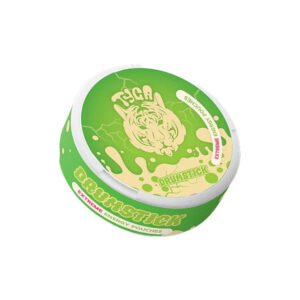
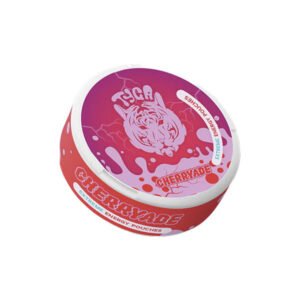
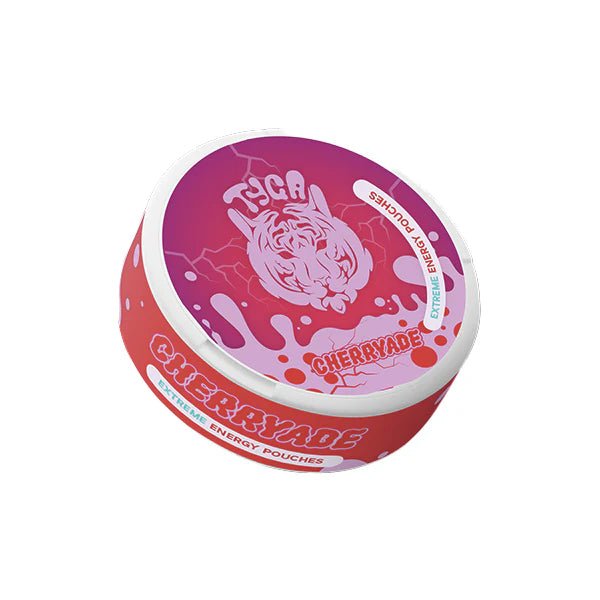
100mg Tyga Extreme Energy Caffeine Pouches 20 Pouches Per Box Canada
$4.49 Select options This product has multiple variants. The options may be chosen on the product page -
Nicotine and Energy Pouches
100mg Tyga Extreme Energy Pouches, 20 Pouches Per Can
$4.99 Select options This product has multiple variants. The options may be chosen on the product page -
Nicotine and Energy Pouches
10mg Velo Original Strength Nicotine Pouches, 20 Pouches
$5.99 Select options This product has multiple variants. The options may be chosen on the product page -
Accessories
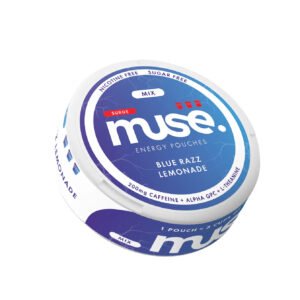
200mg Muse Surge Energy Pouch Canada
$6.99 Select options This product has multiple variants. The options may be chosen on the product page -
Accessories
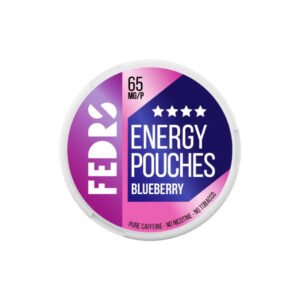
65mg FEDRS Energy Pouches 20 Pouches Canada
$3.99 Select options This product has multiple variants. The options may be chosen on the product page
What a pouch actually is
Inside the sachet is a filler, typically plant fibre or a cellulose based material, holding the active ingredient along with flavouring and a pH adjuster. The sachet itself is a permeable fleece that lets saliva in and the active ingredient out while keeping the filler contained.
This is not snus, which is a moist tobacco product. Modern pouches of the kind sold here are white and contain no tobacco leaf at all. The active ingredient is either nicotine in a purified form or, in energy pouches, caffeine.
Absorption happens through the lining of the mouth rather than through the lungs or the digestive system. That gives a slower onset than inhaling and a faster one than swallowing, with a longer and flatter curve than either.
Nicotine pouches and reading the strength
The figure on a tin is milligrams per pouch, and it is the total the pouch contains rather than the amount that reaches you. Not all of it is released during use, and how much is depends on how long you keep it in and on your own saliva.
That makes cross product comparison less precise than it looks. A 10 mg pouch from one manufacturer and a 10 mg pouch from another can feel noticeably different depending on the pH adjuster and the moisture level, both of which affect how readily nicotine is released.
Strengths broadly run from around 4 mg at the light end to well above 20 mg at the strong end. Starting at the strong end is the classic beginner mistake and produces hiccups, nausea and a sore gum rather than satisfaction. Start low. Our nicotine strength calculator is aimed at vaping strengths but the underlying logic about matching your previous habit applies here too.
Energy pouches and what is in them
Energy pouches use caffeine as the active ingredient and contain no nicotine whatsoever. They are not a nicotine product and they are not a step down product for anyone managing a nicotine habit.
Caffeine content per pouch varies widely, and the total on a tin is often quoted across the whole container rather than per pouch, which is worth checking before you assume. Many also include B vitamins, amino acids such as taurine, or added flavouring, in much the same way an energy drink does.
The obvious comparison is with coffee or an energy drink, and the practical differences are that a pouch is portable, needs no liquid, produces no waste beyond the pouch itself and delivers through the mouth lining rather than the stomach. Whether that suits you is personal. Caffeine remains caffeine, and the usual considerations about total daily intake and sleep apply.
Pouch types compared
The table separates the two families clearly, because the format being identical causes genuine confusion in this category.
| Type | Active ingredient | Contains nicotine | Typical range | Not suitable for |
|---|---|---|---|---|
| Light nicotine pouch | Purified nicotine | Yes | Around 4 to 6 mg | Anyone avoiding nicotine |
| Standard nicotine pouch | Purified nicotine | Yes | Around 8 to 12 mg | Beginners, non smokers |
| Strong nicotine pouch | Purified nicotine | Yes | Above 15 mg | Anyone new to nicotine |
| Energy pouch | Caffeine | No | Varies by product | Anyone limiting caffeine |
If you are avoiding nicotine entirely, read the tin rather than the shelf. The two product families look almost identical in the hand, and that is exactly why the labelling matters. Our nicotine free vapes range covers the vaping equivalent.
Using a pouch properly
Place it between the upper lip and the gum, off to one side rather than centrally, and leave it there. Do not chew it, do not move it around constantly with your tongue, and do not swallow it. Any of those releases the contents faster than intended and is usually why a first attempt goes badly.
A tingling sensation in the first minute or two is normal and settles. If it becomes genuinely uncomfortable, take it out. Typical use runs somewhere between twenty and sixty minutes, after which most of what is going to be released has been.
Swallow saliva normally. There is no need to spit, which is one of the main differences from traditional moist tobacco products. Rotate where you place it between sessions rather than always using the same spot, which is the simplest way to avoid localised gum irritation.
The beginner mistakes worth avoiding
Five errors account for most bad first experiences, and all of them are avoidable.
- Starting too strong. Begin at the lightest strength available and move up only if it is genuinely insufficient after several sessions.
- Leaving it in far too long. Beyond about an hour you are not getting much more, and you are giving gum irritation more time to develop.
- Chewing or repositioning constantly, which releases the contents in a rush.
- Using several at once, which people try when a single pouch feels weak in the first few minutes before it has had time to work.
- Always using the same spot, which is the direct cause of the sore patch people blame on the product itself.
If the first attempt was unpleasant, it was almost certainly one of these rather than the format being wrong for you. Try again at a lower strength before writing it off.
Storage and shelf life
Pouches dry out, and a dry pouch releases its contents poorly and feels unpleasant. Keep the tin closed and store it somewhere cool rather than in a warm car or a pocket in summer.
Refrigeration extends life noticeably and is worth doing if you buy several tins at once, though it is not necessary for a tin in current use. Let a cold tin come to room temperature before using one, since a cold pouch is unpleasant against the gum.
Most tins carry a best before date, and beyond it the product is not dangerous but will have dried and lost some potency. The lid usually incorporates a compartment for used pouches, which exists because there is rarely anywhere convenient to put one otherwise.
Flavours and what they are doing
Flavouring does more work in a pouch than in most formats, because you have it in your mouth for close to an hour and there is no vapour or smoke carrying the taste. A flavour that seems pleasant for two minutes can become tiresome over forty.
Mint and menthol dominate the category for that reason. They read as clean rather than sweet, they do not cloy over a long session, and the cooling sensation masks the slight bitterness of the active ingredient. Citrus profiles work similarly and are the next most common.
Sweeter fruit and dessert flavours are available and divide opinion sharply, because sweetness sits differently when it is a sustained presence rather than a brief one. If you are trying the format for the first time, a mint is the safer starting point, and it is worth buying single tins of a few flavours rather than committing to a multipack of one.
Choosing between pouches and other formats
Pouches suit situations where vaping is not practical: a long meeting, a flight, a workplace with no break area, anywhere that producing vapour would be awkward. Nothing is visible and nothing is exhaled, which is the entire appeal for most people who use them.
They are less suited to anyone who wants the hand to mouth ritual, because there is not one. People moving from smoking often find that absence matters more than they expected, which is why plenty of people use pouches alongside a device from our vape pens or disposable vapes ranges rather than instead of one.
They are also not an equipment purchase. There is nothing to charge, clean, refill or replace, which makes the running cost the entire cost. Whether that works out cheaper than a refillable setup from our vape kits range depends entirely on how many you get through.
Where pouches sit in Canadian law
This is genuinely more complicated than most product pages admit. Nicotine pouches in Canada are regulated as drugs rather than as ordinary consumer goods, and only products that have been authorised by Health Canada may be sold, with restrictions on where and to whom.
the federal nicotine concentration limit and the wider material at Health Canada quit smoking resources set out the federal position, and it has changed more than once since these products appeared. Check the current position rather than relying on any retailer, including us.
Caffeine energy pouches sit under food and natural health product rules rather than tobacco or vaping law, which is a different framework again. We describe what we stock accurately and make no health claims about any of it.
Ordering and delivery
We operate an age gate on every visit and ship only within Canada, in Canadian dollars. Carriers, timings and tracking are on our shipping and delivery page, and our returns policy page covers damage in transit.
Opened consumable products cannot be returned unless there is a fault. Because pouches dry out, check the seal and the best before date on arrival.
If you are using nicotine pouches as part of moving away from smoking, the Canadian Cancer Society and your provincial health line both publish support that has nothing to sell you. Our nicotine free vapes and disposable vapes ranges cover the vaping alternatives, and vaping versus smoking cost calculator compares running costs against smoking.
Common questions
What is the difference between nicotine pouches and energy pouches?
The active ingredient. Nicotine pouches contain purified nicotine. Energy pouches contain caffeine and no nicotine at all. They look almost identical in the hand, which is exactly why reading the tin matters if you are avoiding one or the other.
Are these the same as snus?
No. Snus is a moist tobacco product. The white pouches sold here contain no tobacco leaf, only a filler material holding the active ingredient with flavouring and a pH adjuster. You also do not spit with these, which is a practical difference in daily use.
How long should I keep a pouch in?
Typically between twenty and sixty minutes. Beyond about an hour most of what is going to be released already has been, and you are simply giving gum irritation more time to develop. Do not chew it, reposition it constantly or swallow it.
What strength should I start with?
The lightest available, and move up only if it is genuinely insufficient after several sessions. Starting at the strong end is the classic beginner mistake and produces hiccups, nausea and a sore gum rather than satisfaction.
Why does my gum feel sore?
Usually because you have been placing every pouch in the same spot. Rotate the position between sessions. Leaving pouches in far longer than necessary and starting at too high a strength both contribute as well.
Are nicotine pouches legal in Canada?
They are regulated as drugs rather than ordinary consumer goods, and only products authorised by Health Canada may be sold, with restrictions on where and to whom. The position has changed more than once since these products appeared, so check the current Health Canada guidance directly.