Nicotine Free Vapes
Zero nicotine devices and liquid: the same flavour, vapour and ritual with no nicotine and no dependence. Useful as the last rung when you are stepping down, and equally valid if you simply want the flavour. Shipped from within Canada.
A nicotine free vape does everything a normal vape does except deliver nicotine. Same flavour, same vapour, same hand to mouth habit, none of the dependence. People arrive at this category from two very different directions: some are stepping down from a nicotine habit and want the last rung of the ladder, others never smoked and simply want the flavour and the ritual.
Both are legitimate and they need slightly different advice, which is what this page sets out. Zero nicotine products are legal to sell in Canada and sit outside the 20 mg/mL nicotine cap for the obvious reason, though the rest of the packaging and age restrictions still apply.
Showing all 5 results
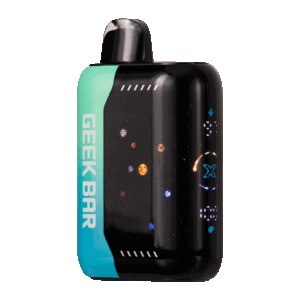
What nicotine free actually means
A zero nicotine liquid contains the same propylene glycol, vegetable glycerine and food grade flavouring as any other liquid, with the nicotine simply left out. Nothing is substituted in its place. The device hardware is identical, the coil behaves identically and the vapour looks the same.
The one thing that changes noticeably is throat feel. A good part of what people describe as the hit comes from nicotine itself, so a zero liquid feels smoother and softer. Manufacturers often compensate with slightly higher PG or with cooling agents, which is why some zero products taste sharper than their nicotine counterparts rather than blander.
Zero nicotine is not the same as tobacco free nicotine or synthetic nicotine, both of which still contain nicotine and are still capped at 20 mg/mL. If the goal is no nicotine at all, read the strength on the packaging rather than the marketing on the front.
Two reasons people choose zero
The first group is stepping down. They have already moved from cigarettes to vaping, dropped from 20 mg to 12 mg to 6 mg to 3 mg, and want somewhere to land. For them zero is the final rung, and the habit itself is the thing still being managed.
The second group never had a nicotine habit and is not trying to quit anything. They want the flavour, the vapour and something to do with their hands. That is a different goal and it changes what matters. This group tends to care far more about flavour quality and far less about throat feel or device discretion.
Being honest about which group you are in leads to better choices. A stepper down usually wants the same device and flavour they already use, minus the nicotine, so the only variable changes. Someone in the second group is free to pick purely on taste, and best vape flavours in Canada is a better guide for them.
Using zero as the last step down
The mistake people make is jumping straight from a high strength to zero. Nicotine has a physical withdrawal curve, and removing it in one move usually produces irritability and a return to the previous strength within days. Stepping gradually works far better.
A workable ladder is to halve the strength, hold it for two to three weeks until it feels normal, then halve again. From 20 mg that means roughly 20, 10, 6, 3, then zero, with each step held long enough to stop feeling like a deprivation. Rushing it is the most common reason people abandon the attempt.
Keep the device and the flavour constant while you change the strength. Changing two variables at once makes it impossible to tell whether a bad week is the nicotine drop or simply a flavour you do not like. Our nicotine strength calculator can help you work out where on that ladder you currently sit, and Health Canada quit smoking resources publishes independent quitting support that does not have anything to sell you.
Zero against low strength options
| Option | Nicotine | Throat feel | Best for | Watch out for |
|---|---|---|---|---|
| Zero nicotine device | 0 mg | Softest | Habit only, flavour only | Vaping more to chase a hit that will not come |
| 3 mg freebase | Low | Light | Sub ohm users stepping down | Needs a larger device to be satisfying |
| 10 mg salt | Medium | Medium | Mid step on the ladder | Easy to stall here for months |
| 20 mg salt | At the Canadian cap | Firm | Recent heavy smokers | Too strong for light former smokers |
The table hides one behavioural trap worth naming. People who move to zero too early often vape far more often, unconsciously chasing a sensation that is no longer there. If your consumption jumps sharply after switching to zero, that is a sign to step back up one rung rather than push through.
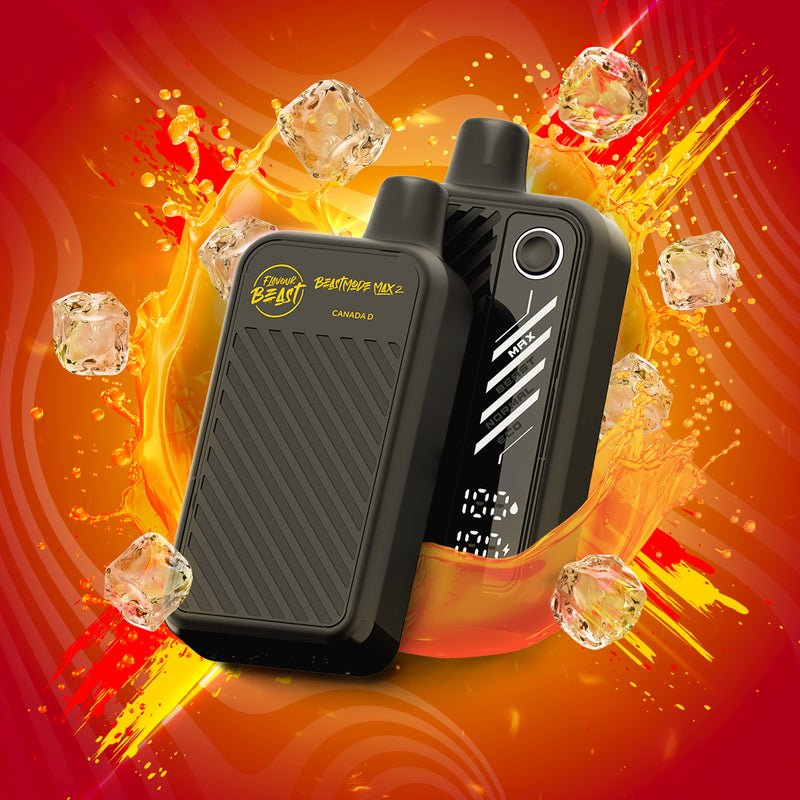
Why zero tastes different
Nicotine has a faint peppery bitterness of its own that sits under every flavour. Remove it and the sweet notes come forward, which is why a fruit liquid can taste noticeably sweeter at zero and a tobacco liquid can taste thin and slightly hollow.
This catches out steppers down more than anyone. A flavour you have vaped happily for months can seem wrong at zero, and the instinct is to blame the batch. It is usually the missing nicotine. Giving a liquid a fortnight at the new strength before judging it is fair, and switching to a family that suits zero better, typically fruit or menthol rather than tobacco, often solves it outright.
Zero liquid also tends to be gentler on coils, since the nicotine is not there to contribute to residue. Sweeteners still do their damage, so a zero dessert flavour is no kinder to a coil than a nicotine one. Our replacement coils range covers replacements when you need them.
What zero nicotine does not fix
Zero removes the nicotine. It does not remove the inhalation, the habit or the expense, and it is worth being clear eyed about that. If the goal is to stop vaping altogether, zero is a staging post rather than a destination, and many people find the hand to mouth ritual harder to give up than the nicotine was.
It is also not a product for people who have never used nicotine and are curious about vaping. Inhaling anything other than air carries some risk, and the case for vaping rests almost entirely on it being less harmful than smoking for people who already smoke. Health Canada guidance on vaping and the Canadian Cancer Society both set that out plainly, and we would rather point you there than oversell a product.
If you are using zero as a stepping stone and it is working, that is a genuinely good outcome. If you have been on zero for a long time and want to stop entirely, the same gradual approach applies: reduce the number of sessions a day rather than trying to stop on a fixed date.
Which devices suit zero nicotine best
Because throat feel is softer at zero, the device you pair it with matters more than it does at higher strengths. A tight, low airflow device designed around 20 mg salt can feel unsatisfying with zero liquid in it, since almost everything that made the draw feel substantial has been removed.
Two directions work. The first is to open the airflow and increase the vapour volume, which gives the draw presence through sheer density rather than through nicotine. That usually means a larger device, so vape kits and vape tanks are the sensible places to look. The second is to lean on cooling and strong flavour, keeping a small device and choosing menthol or heavily iced profiles that give the draw an edge of their own.
Zero nicotine disposables exist too and are the simplest option for anyone who wants to try the format without committing. They behave exactly like their nicotine counterparts, which you can read about in our disposable vapes range, and they carry the same lithium recycling obligation at the end of life.
What zero actually costs to run
Removing the nicotine does not make a liquid cheaper, because nicotine is a small fraction of the cost of a bottle. What does change is consumption, and not always in the direction people expect.
Some people use noticeably less at zero, because the ritual is all they wanted and they no longer feel a pull between sessions. Others use considerably more in the first few weeks, chasing a hit that will not arrive. If you are in the second group your running cost will rise sharply, which is usually a sign that the step down came too early rather than a reason to buy in bulk.
Tracking your own consumption for a fortnight tells you which group you are in. Our vaping versus smoking cost calculator turns that figure into an annual number against what smoking the equivalent would have cost, which is a more useful frame than comparing bottle prices. If you are refilling rather than using disposables, our vape juice range is where the recurring cost actually sits.
Where zero nicotine sits in Canadian law
Tobacco and Vaping Products Act governs vaping products in Canada and its nicotine concentration limit applies to products that contain nicotine, so a genuine zero product is not constrained by the 20 mg/mL ceiling. The rest of the framework still applies: packaging rules, promotion restrictions and the requirement that these products are not sold to minors.
Provincial rules still govern where products may be sold and which flavours are available, and those do not carve out zero nicotine. We keep the provincial picture current in vaping laws by province. We operate an age gate on every visit and ship only within Canada, with carrier details on our shipping and delivery page.
If you are managing a nicotine habit rather than a flavour preference, nicotine free vaping guide is the better starting point, and your provincial health line can connect you with support that has no commercial interest in the outcome.
One final legal point that catches people out at the border rather than at home. Zero nicotine status does not change how airlines and airport security treat the device itself, because the restriction there is about the lithium battery rather than the liquid. Devices belong in your cabin bag, never in checked luggage, and our guide to taking a vape on a plane covers the detail alongside the official position from Transport Canada on what you can bring on a plane.
Common questions
Is a nicotine free vape completely harmless?
No, and we would not claim otherwise. Removing the nicotine removes the dependence, but you are still inhaling heated propylene glycol, vegetable glycerine and flavourings. The case for vaping rests on it being considerably less harmful than smoking for people who already smoke, not on it being risk free.
Will zero nicotine help me quit vaping?
It can, as the last rung of a gradual step down, and it works best when you hold each strength long enough to feel normal before dropping again. It does not address the hand to mouth habit, which many people find harder to give up than the nicotine.
Why does my usual flavour taste wrong at zero?
Nicotine carries a faint peppery bitterness that sits under everything. Remove it and sweet notes come forward, so fruit flavours taste sweeter and tobacco flavours taste hollow. Give a liquid two weeks at the new strength before judging it.
Do I need a different device for zero nicotine?
No. The hardware is identical and any refillable device that takes your usual liquid will take a zero version. Keeping the same device and flavour while you change only the strength makes stepping down much easier to judge.
Is zero nicotine vape legal to buy in Canada?
Yes. Zero nicotine products are legal, and because they contain no nicotine the 20 mg/mL concentration cap does not constrain them. Age restrictions, packaging rules and provincial flavour restrictions still apply.
I have never smoked. Should I try a zero nicotine vape?
We would not encourage it. Inhaling anything other than air carries some risk, and vaping is intended as a less harmful alternative for people who already smoke rather than a product for people with no existing habit.