Dry Herb Vaporizers
Devices that heat botanical material with hot air instead of burning it, with precise temperature control so you can work the range rather than accept a preset. Portable and desktop units shipped within Canada.
A dry herb vaporizer heats botanical material with hot air instead of setting fire to it. That single difference is the whole argument for the category. Combustion happens somewhere above 600 degrees Celsius and produces smoke, tar and a long list of byproducts. Convection or conduction heating in the 180 to 210 degree range releases the aromatic compounds without ever reaching the point where the plant material burns.
These are also the most mechanical devices we sell. They have chambers that need emptying, screens that need brushing and batteries that need respecting. That maintenance is not optional, and a neglected vaporizer performs so badly that people conclude the technology does not work. This page covers heating types, temperature, grind, cleaning and what the specifications actually mean.
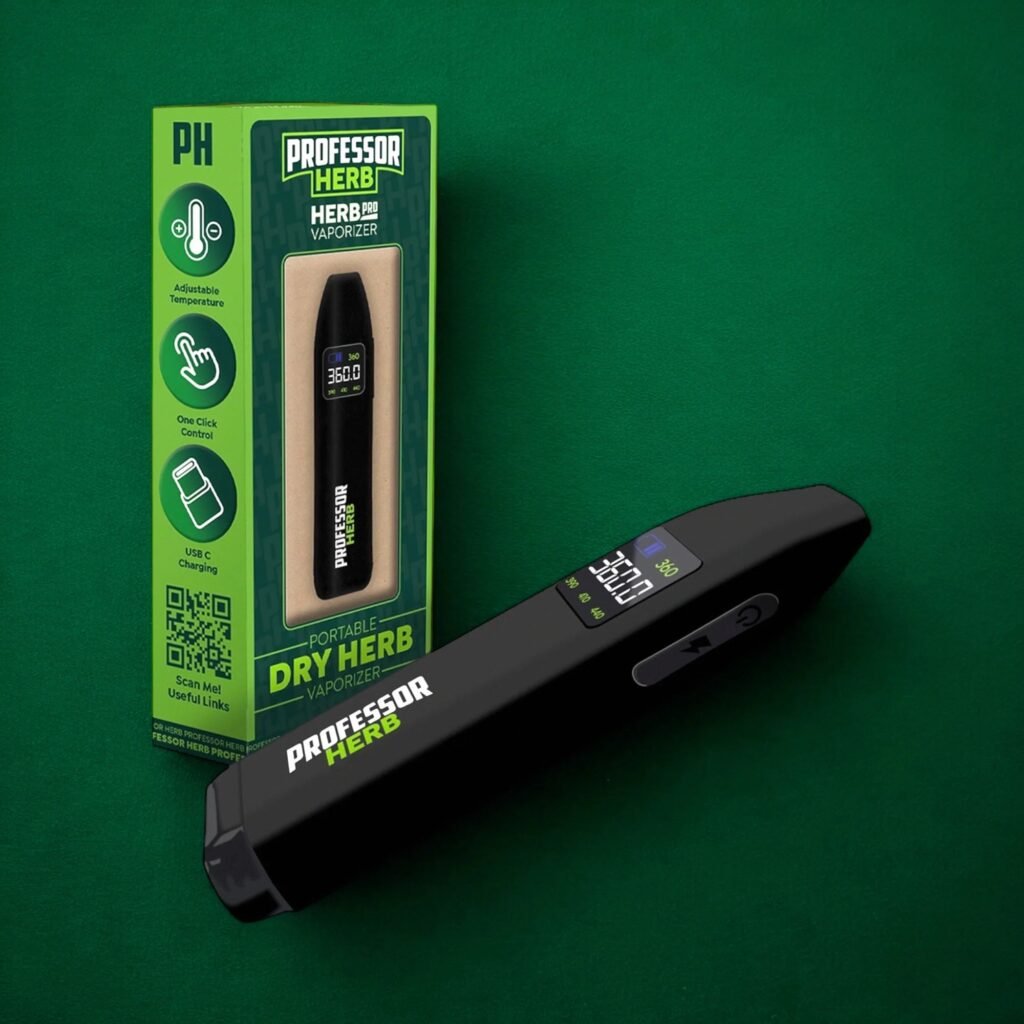
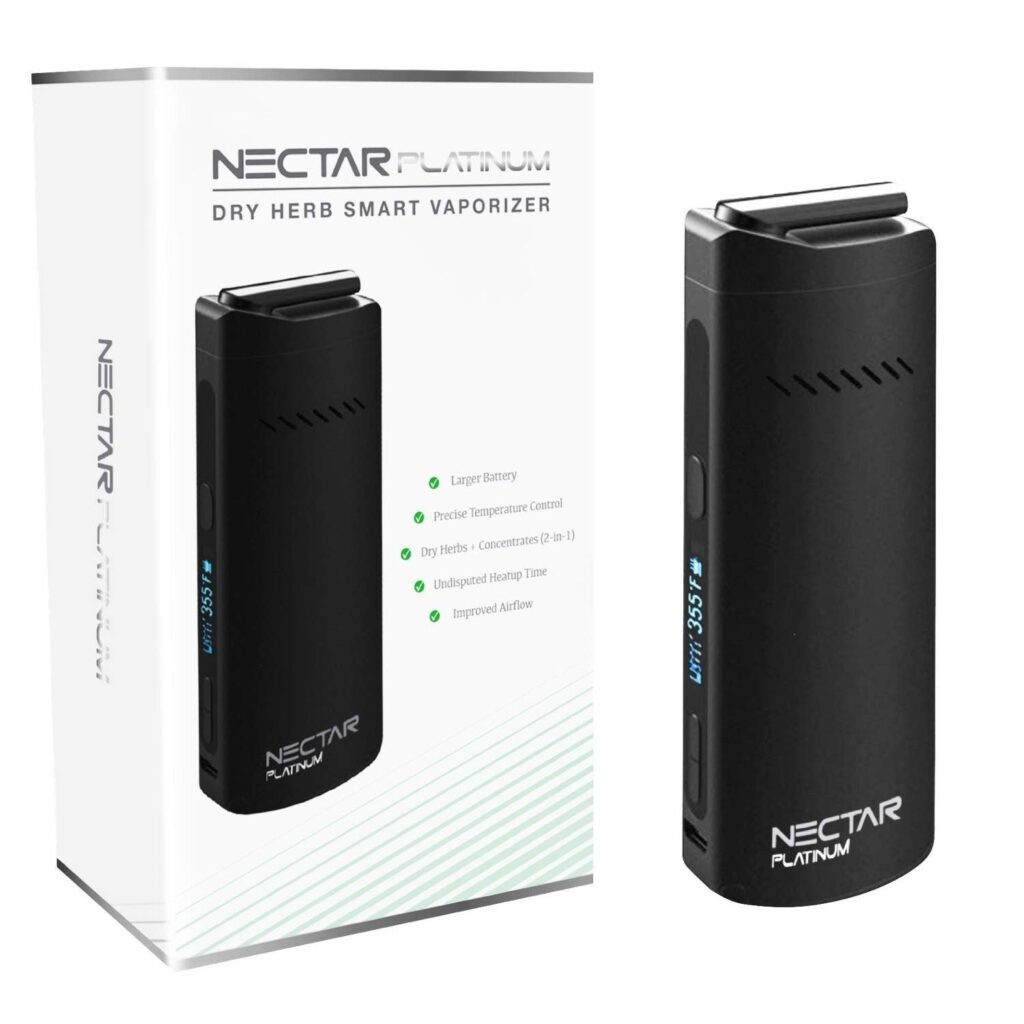
Showing all 2 results
Conduction, convection and hybrid
Conduction heating puts the material in direct contact with a hot surface, usually a metal or ceramic oven. It is simple, cheap and fast, and it is why most compact portables use it. The drawback is uneven heating: whatever touches the wall cooks faster than the middle, so you have to stir the chamber part way through a session or accept an inconsistent result.
Convection heating passes hot air through the material without the material touching the element. It heats far more evenly, extracts more thoroughly and gives noticeably better flavour, particularly on the first draw. It costs more, uses more power and usually takes longer to reach temperature.
Hybrid designs use both, warming the chamber while also drawing heated air through. In practice most quality portables are hybrids to some degree, and the marketing term matters less than how evenly the finished device actually heats. A good conduction unit beats a poor convection one.
Temperature and what it changes
Temperature is the main control you have and it changes the character of a session more than any other variable. Different compounds release at different points, so a low temperature session and a high temperature session from the same material are genuinely different experiences.
| Range | Vapour | Flavour | Character | Notes |
|---|---|---|---|---|
| 175 to 185 C | Very light, almost invisible | Best | Clear headed, subtle | Wastes material if you stop here |
| 185 to 195 C | Light to moderate | Very good | Balanced, most popular | A sensible default to start at |
| 195 to 205 C | Moderate to heavy | Good | Fuller, more sedating | Where most of the extraction happens |
| 205 to 215 C | Heavy | Declining | Strongest, harshest | Approaching the point of scorching |
The practical technique is to start low and step up through a session. Begin at the bottom of the range for flavour, then raise the temperature every few draws as the lighter compounds are exhausted. That extracts far more from the same material than sitting at one high setting, and it tastes better throughout. Going straight to the top wastes the flavour entirely and scorches the material.
Precise temperature control, where you set an exact number rather than choosing from three presets, is the single feature most worth paying for in this category. Preset only devices force you to accept somebody else is idea of the right temperature for material they have never seen.
Grind, packing and airflow
Grind consistency does more for performance than most people expect, and it is free. Hot air needs surface area to work on and a clear path to travel. Material left in large pieces has too little surface area and cooks only on the outside. Material ground to powder packs into a dense plug that air cannot pass through at all, which is the classic cause of a device that produces almost nothing while the chamber looks full.
Aim for a medium grind, roughly the texture of coarse ground coffee. A proper grinder is the cheapest meaningful upgrade to any vaporizer and our accessories range carries them.
Packing matters just as much. A chamber filled loosely lets air through but allows material to shift and channel. A chamber packed hard blocks airflow. The target is firm but springy, filled to the top without compressing. If your draw feels tight, you have packed too hard. If the vapour is thin and the material is unevenly browned, you have packed too loosely or need to stir.
Vaporizer types compared
Three broad formats exist. Portables run on an internal battery and go in a pocket. Desktop units plug into the wall, produce far more vapour and never run out of power. Pen style units are the smallest and cheapest, and are generally conduction with limited temperature control.
For a first device, a portable with precise temperature control is the sensible purchase. It is good enough to show you what the technology actually does, portable enough to use anywhere, and not so expensive that it hurts if you decide the format is not for you. Our best dry herb vaporizer in Canada guide compares specific units.
Desktop units make sense once you know you like vaporizing and you mostly use it at home. The vapour quality is a genuine step up and there is no battery anxiety, but they are not going anywhere with you.
Battery, heat up time and session length
Three specifications actually matter on a portable: how long it takes to reach temperature, how many sessions a charge gives you, and whether you can use it while it charges.
Heat up time on current devices ranges from about twenty seconds to over a minute. Convection units are generally slower because they are heating air rather than metal. A minute feels long when you are waiting, but it is a poor reason to choose a device that performs worse.
Session count per charge typically runs from three to eight. Cold weather reduces that noticeably, which matters in Canada, and we cover the underlying reason in vaping in cold weather. Pass through charging, where the device works while plugged in, effectively removes battery life as a concern at home. Devices with removable cells are better still, since you can carry a spare and replace a tired cell years later rather than replacing the whole unit. Spares are in batteries and chargers.
Cleaning, and why it is not optional
Residue accumulates on the screen, the vapour path and the mouthpiece from the first session onwards. As it builds, airflow narrows and flavour turns increasingly acrid. Almost every complaint that a vaporizer has stopped working well is a cleaning problem.
- Brush the chamber out after every session while it is still slightly warm, when residue is soft.
- Clean the screen weekly with isopropyl alcohol and a cotton bud, then let it dry completely before the next session.
- Soak glass stems and mouthpieces in isopropyl alcohol when they discolour, then rinse thoroughly in water.
- Never submerge the electronics or the battery section. Never use water inside the chamber.
- Replace screens when they will not come clean. They are consumable and cheap.
A device cleaned weekly performs like new for years. A device never cleaned is disappointing within a month, and most of the negative opinions about dry herb vaporizing come from exactly that.
Choosing your first vaporizer
Decide first whether you want portability. If you will mostly use it at home, a desktop gives more for the money. If it needs to travel, accept the compromises of a portable and buy the best one you can rather than the cheapest.
Then insist on precise temperature control, isolated airflow so vapour does not touch hot electronics, and a chamber you can actually reach with a brush. Removable batteries and pass through charging are strong bonuses. Bluetooth apps and colour screens are not.
Budget for the accessories, because they are what make the device work: a grinder, a cleaning brush, isopropyl alcohol, spare screens and a storage container. Our accessories range covers them, and best dry herb vaporizer in Canada is the fuller buying guide.
The five mistakes that ruin a first session
Most people who conclude vaporizers do not work made one of a small number of avoidable errors on their first attempt. Knowing them in advance saves a lot of disappointment.
- Expecting smoke. Vapour is thinner, cooler and often nearly invisible at low temperatures. Judging a session by how much cloud you can see leads people to crank the heat until they are effectively scorching the material.
- Drawing like a cigarette. A hard, fast pull drags air through faster than the element can heat it. Long, slow and gentle is the technique, typically five to eight seconds.
- Skipping the stir. On conduction devices the material against the wall cooks first. Stirring halfway through a session evens it out and noticeably increases what you get.
- Using damp material. Moisture absorbs heat that should be extracting, and the result is a weak, steamy session. Material should be dry enough to break cleanly.
- Never cleaning it. The single biggest cause of declining performance, and the easiest to fix.
Correct those five and almost any competent device performs acceptably. Our fuller comparison at best dry herb vaporizer in Canada covers which specific units are worth the money once you know the technique.
What you actually need alongside it
A vaporizer on its own is an incomplete purchase. Five inexpensive items make the difference between a device you enjoy and one that sits in a drawer.
A grinder is first and non negotiable. A cleaning brush, usually supplied but easily lost, is second. Isopropyl alcohol at 90 percent or above is third, for screens and glass. Spare screens are fourth, because they are consumable and a clogged screen is the most common cause of poor airflow. An airtight storage container is fifth, keeping material at a consistent moisture level so sessions are repeatable.
All of these sit in our accessories range. If you are moving to vaporizing from another format entirely, our 510 thread batteries and vape pens ranges cover the alternatives, and what terpenes are explains why people choose one over another.
Canadian law and what we can sell
We sell the hardware. Dry herb vaporizers are devices and are legal to buy and own across Canada. What you choose to put in one is governed separately by the Cannabis Act, and legal cannabis in Canada is sold through provincially authorised retailers rather than through a vape shop. We are not one of those retailers and we do not sell cannabis.
Many people use these devices with culinary herbs, chamomile, lavender, mint and similar botanicals, which is entirely unregulated. Health Canada cannabis information publishes the current federal position if you want the primary source rather than a summary.
We operate an age gate and ship only inside Canada. Carrier detail is on our shipping and delivery page, returns on our returns policy page. Lithium cells travel in cabin baggage only, as Transport Canada lithium battery rules sets out, and our guide to taking a vape on a plane covers the practicalities.
Common questions
What temperature should I use in a dry herb vaporizer?
Start around 185 C and step up through the session rather than sitting at one setting. Low temperatures give the best flavour and the lightest vapour, higher temperatures extract more but taste worse. Above about 215 C you approach scorching, which defeats the purpose of vaporizing.
Why is my vaporizer producing almost no vapour?
Usually grind, packing or cleaning. Material ground to powder packs into a plug that air cannot pass through, material left in large pieces has too little surface area, and residue on the screen narrows the airflow. Check all three before assuming the device has failed.
What is the difference between conduction and convection?
Conduction heats material by direct contact with a hot surface, which is fast and cheap but uneven, so you need to stir. Convection passes hot air through the material without contact, which heats evenly and tastes considerably better but costs more and is usually slower to heat up.
How often do I need to clean it?
Brush the chamber after every session while it is still warm, and clean the screen and vapour path properly about once a week with isopropyl alcohol. Nearly every report of a vaporizer performing badly turns out to be accumulated residue rather than a fault.
Do I need a grinder?
Effectively yes. Hot air needs surface area and an even path, and you cannot achieve either by breaking material up with your fingers. A medium grind, about the texture of coarse ground coffee, is the target, and a grinder is the cheapest meaningful upgrade to any vaporizer.
Is a dry herb vaporizer legal in Canada?
The device itself is legal to buy and own anywhere in Canada. What you put in it is regulated separately, and legal cannabis is sold only through provincially authorised retailers, which we are not. Many customers use these devices with culinary herbs, which is unregulated.