Vape Pens
Vape pen is the loosest term in this shop. It covers slim refillable devices that take a tank, pod style pens that take a sealed cartridge, and 510 thread batteries that screw onto whatever you attach. What they share is the shape and the intent: something narrow enough to sit in a pocket, simple enough to operate one handed, and powerful enough to satisfy without needing a menu.
Because the category spans several genuinely different designs, the useful question is not which pen is best but which type of pen matches what you want to put in it. This page separates them properly, then gets into battery life, charging and the things that most often go wrong.
Showing 49 to 60 of 62 results

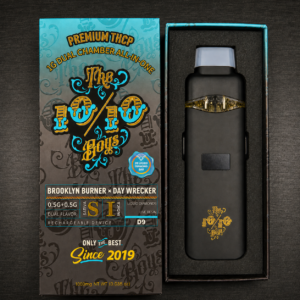
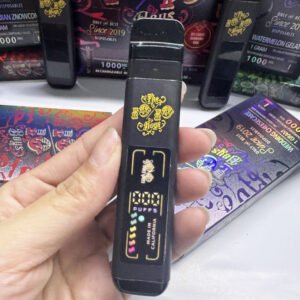


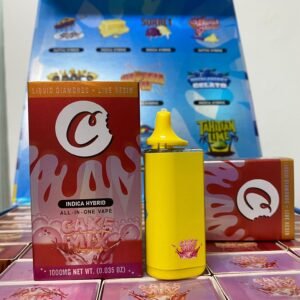

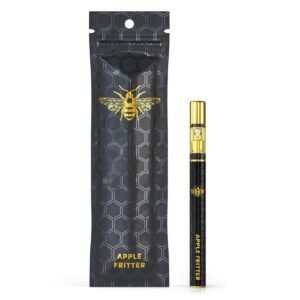
The three kinds of vape pen
The first kind is the refillable tank pen. A cylindrical battery with a threaded top, a tank that unscrews, and a replaceable coil inside the tank. You fill it with any liquid you like, you replace the coil every week or two, and you charge the battery. It is the cheapest format to run and the most flexible, at the cost of a little maintenance.
The second is the pod pen. The battery is the same idea but the top accepts a sealed or refillable pod rather than a tank. Sealed pods are the simplest thing in vaping after disposables, with no coil to handle and no liquid to pour. The trade off is that you are tied to whatever pods that manufacturer makes, so check availability before you buy. Our vape pods range covers the replacements.
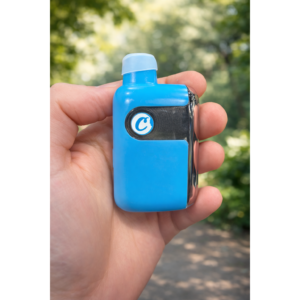
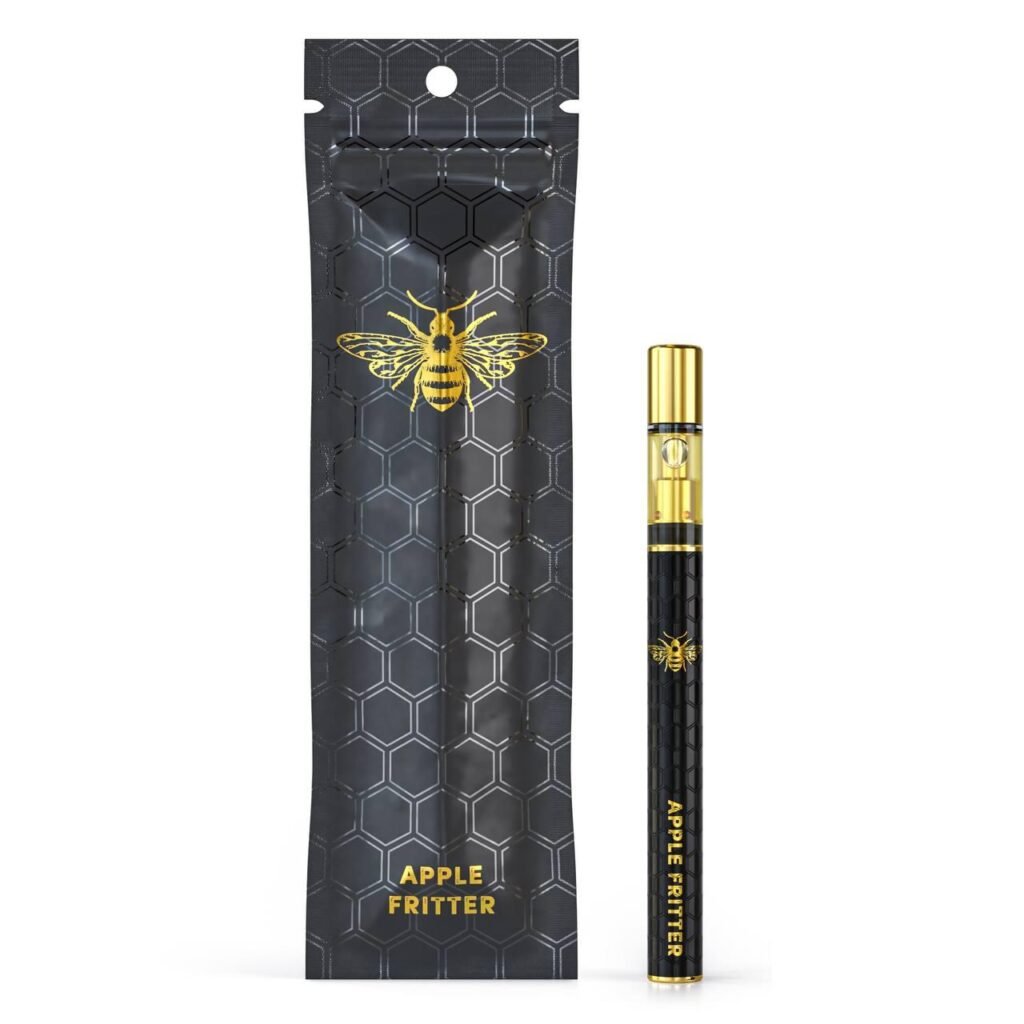
The third is the 510 thread batteries. These are bare batteries with a standard 510 screw thread, designed to take any cartridge with the same thread. They are the most versatile format because the battery and the cartridge come from different places, and they are the standard choice for anyone using prefilled cartridges rather than bottled liquid.
Picking the type that fits your use
Start from what you want to put in it. If you want to buy liquid by the bottle and choose freely from vape juice, you want a refillable tank pen or a refillable pod pen. If you want the least possible handling and are happy being tied to one manufacturer, a sealed pod pen is the right answer. If you are using prefilled 510 cartridges, you want a 510 battery and nothing else.
Then consider how often you are away from a charger. A slim pen looks elegant and holds a small cell, and slim pens that look best tend to need charging daily. A slightly thicker pen holds a much larger cell and will usually see out a full day of heavy use. That is a genuine trade between how it looks in a shirt pocket and how often you think about it.
Finally, be honest about maintenance. A tank pen needs the coil changed and the tank rinsed occasionally. If that sounds like a chore you will not do, a pod pen will make you happier even though it costs more per millilitre over a year.
Pen types compared
| Type | What goes in it | Running cost | Maintenance | Best for |
|---|---|---|---|---|
| Refillable tank pen | Any bottled liquid | Lowest | Coil changes, occasional rinse | Vapers who want flavour choice and low cost |
| Refillable pod pen | Any bottled liquid | Low | Pod changes every week or two | A middle ground between tank and sealed |
| Sealed pod pen | Manufacturer pods only | Higher | Almost none | People who want simplicity above all |
| 510 thread battery | Any 510 cartridge | Depends on cartridge | Keep the thread clean | Prefilled cartridge users |
One caution on sealed pod systems. The pods are the product and the battery is close to a giveaway, which is why the ongoing cost is higher. Before committing to a system, check that the pods are actually stocked in Canada, because an orphaned pod system is an expensive paperweight.
Battery life, charging and mAh
Capacity is quoted in milliamp hours. A slim pen typically carries 280 mAh to 400 mAh, a standard pen 650 mAh to 900 mAh, and a chunkier pen 1100 mAh or more. As a rough rule, 350 mAh covers light use for a day, 650 mAh covers moderate use, and anything over 1000 mAh will see a heavy user through without a top up.
Coil resistance changes the maths. A low resistance coil draws more current, so the same battery empties faster. If you have swapped to a lower resistance coil and your battery life has collapsed, nothing has failed, you are simply drawing more power per puff.
- Charge before it dies completely rather than running it flat every time. Lithium cells prefer partial cycles.
- Use the supplied cable and a normal phone charger. Fast chargers designed for laptops can push more current than a small cell expects.
- Do not leave it charging overnight or unattended on soft furnishings.
- Keep it out of deep cold. Capacity drops sharply below freezing, which is why a pen can read as dead on a winter commute and recover indoors. We cover this in vaping in cold weather.
Spare cells, chargers and cables for devices that use removable batteries are in batteries and chargers.
Airflow and draw style
Pens are mostly built around a mouth to lung draw, which mimics a cigarette: pull the vapour into your mouth first, then inhale. That suits former smokers and works well with the higher nicotine strengths and thinner liquids that Canadian retail permits.
Some larger pens support a direct lung draw, where you inhale straight down like taking a deep breath. That wants a low resistance coil, a thicker liquid and a much lower nicotine strength. Using 20 mg salt nicotine with a direct lung setup delivers far more nicotine than intended and is genuinely unpleasant, which is the single most common setup error we see.
Many pens include an adjustable airflow ring. Closing it tightens the draw and concentrates the flavour, opening it cools the vapour and increases volume. It costs nothing to experiment, and it is usually the fastest fix when a device feels almost right but not quite. Our guide to nicotine strength calculator explains how draw style and strength interact.
Keeping a pen working
Most pen failures are maintenance rather than manufacturing. Three habits prevent nearly all of them.
First, prime a new coil. Put a few drops of liquid directly onto the exposed cotton, reassemble, fill, then wait five to ten minutes before the first puff. Firing a dry coil scorches the cotton permanently and no amount of liquid afterwards will undo it.
Second, keep the connection clean. Liquid seeps into the threading over time and insulates the contact, which produces intermittent firing that looks like a dying battery. A cotton bud and a few seconds of attention solves it. Third, rinse the tank in warm water and dry it fully when you change flavours, or the old flavour will haunt the new one for days.
Replace coils on a schedule rather than waiting for a burnt taste. A week to a fortnight is typical, shorter with sweet dessert liquids. Stock is in replacement coils.
When a pen stops working
Work through the cheap explanations before assuming a fault. A pen that produces no vapour and no light is usually flat, locked, or has a dirty contact. Most pens lock and unlock with five rapid clicks of the fire button, which catches out a surprising number of people.
A pen that lights up but produces little vapour usually has a worn coil, a blocked airflow path or a liquid too thick for the coil. A pen that gurgles or spits has been overfilled or flooded by hard draws. A pen that leaks usually has a coil that is not seated squarely or a seal that has perished.
If none of that resolves it, our longer walkthrough at why a vape stops hitting covers the remaining causes in order of likelihood, and our contact the team team will help if the device is still within its warranty period.
What a pen actually costs to run
The headline price of a pen is the least interesting number attached to it. What matters is the recurring cost, and that splits into two lines: liquid and coils.
A moderate vaper uses somewhere between 2 mL and 4 mL of liquid a day and gets through a coil every week or two. Over a year that is a predictable, fairly modest figure, and it is consistently lower than running disposables at the same consumption because you are not repurchasing a battery and a shell every few days. The gap widens the more you vape.
Sealed pod pens sit between the two. You avoid handling coils, but you pay a premium per millilitre and you are tied to one manufacturer. Our vaping versus smoking cost calculator puts all of this against what the equivalent smoking habit would have cost, and refillable versus disposable vapes sets out the refillable against disposable comparison in detail.
Canadian rules and shipping
Vaping devices and liquid in Canada fall under Tobacco and Vaping Products Act, which caps retail nicotine at 20 mg/mL and sets the packaging and promotion rules. Provinces layer their own minimum ages and flavour restrictions on top, which we track in vaping laws by province.
We ship only within Canada and operate an age gate on every visit. Carriers, timings and tracking are on our shipping and delivery page. Devices with lithium cells must travel in cabin baggage rather than checked bags when you fly, per Transport Canada lithium battery rules, and our guide to taking a vape on a plane covers the practical side.
If you are new to all of this, best vape for beginners in Canada is a better starting point than any product page, including this one, and Health Canada guidance on vaping publishes independent guidance worth reading alongside it.
Common questions
What is the difference between a vape pen and a disposable?
A pen is designed to be refilled and recharged over months or years, while a disposable is a sealed single use device. A pen costs more up front and much less to run, and it lets you choose your own liquid rather than accepting whatever was sealed in at the factory.
How long should a vape pen battery last on a charge?
Roughly, 350 mAh covers a light day, 650 mAh a moderate day and anything above 1000 mAh a heavy day. Lower resistance coils draw more current and shorten that considerably, so a sudden drop in battery life after a coil change is expected rather than a fault.
Why is my vape pen not producing vapour?
Check the cheap causes first: a flat battery, a locked device, or liquid in the threading insulating the contact. Five rapid clicks of the fire button locks and unlocks most pens. After that, suspect a worn coil, blocked airflow or a liquid too thick for the coil resistance.
How often should I change the coil?
Between one and two weeks for most people. Sweetened dessert and custard liquids caramelise onto the coil and can halve that. Change it on a schedule rather than waiting for a burnt taste, since by then the cotton is already scorched.
Can I put any liquid in any pen?
No. Match the liquid to the coil resistance. Coils above about 1.0 ohm want thinner, higher strength liquid, and coils below about 0.6 ohm want thicker, low strength liquid. Putting high strength salt nicotine in a low resistance setup delivers far more nicotine than intended.
Are vape pens allowed on flights from Canada?
The device must travel in your cabin baggage and never in checked luggage, because of the lithium battery. Airlines also prohibit using it on board. Check the current position with Transport Canada before you travel, since rules change.