CBD Concentrates
Concentrates are what you get when plant material is reduced to the compounds of interest and most of the bulk is removed. The result is measured in grams rather than millilitres, sold by percentage purity rather than by milligrams per dose, and it arrives as a crystal, a powder, a wax, a brittle sheet or a thick paste depending on how it was made and finished.
This is the most technical category in the shop and the one where terminology does the most damage. Crumble, shatter, isolate, kief, hash and paste are not grades of quality, they are different physical states arrived at by different processes. This page explains what each one actually is and what to look for on a label.
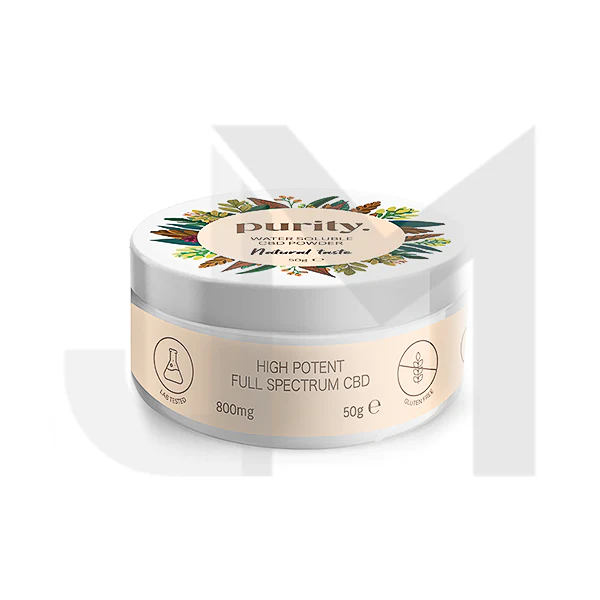
Showing 61 to 63 of 63 results
-
CBD Concentrates
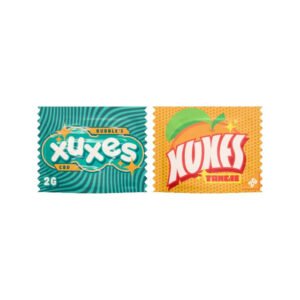
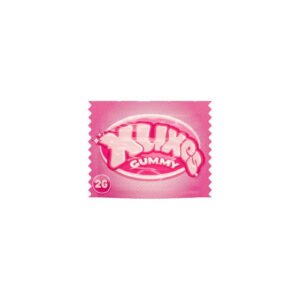
Xuxes CBD Crumble, 2g
$24.99 Select options This product has multiple variants. The options may be chosen on the product page -
CBD Concentrates
Xuxes CBD Wax, 2g
$32.99 Select options This product has multiple variants. The options may be chosen on the product page
The forms and what each one is
Isolate is a single cannabinoid purified to 99 percent or above. It arrives as a white crystalline powder or as larger crystals, has essentially no smell or taste, and is the most precisely measurable form because you know what almost all of the weight is.
Distillate is a thick, viscous, translucent liquid produced by fractional distillation. It is highly concentrated but retains more than a single compound. Crumble, budder and wax are all extracts that have been agitated or whipped during purging, which introduces air and changes the texture without much changing the composition.
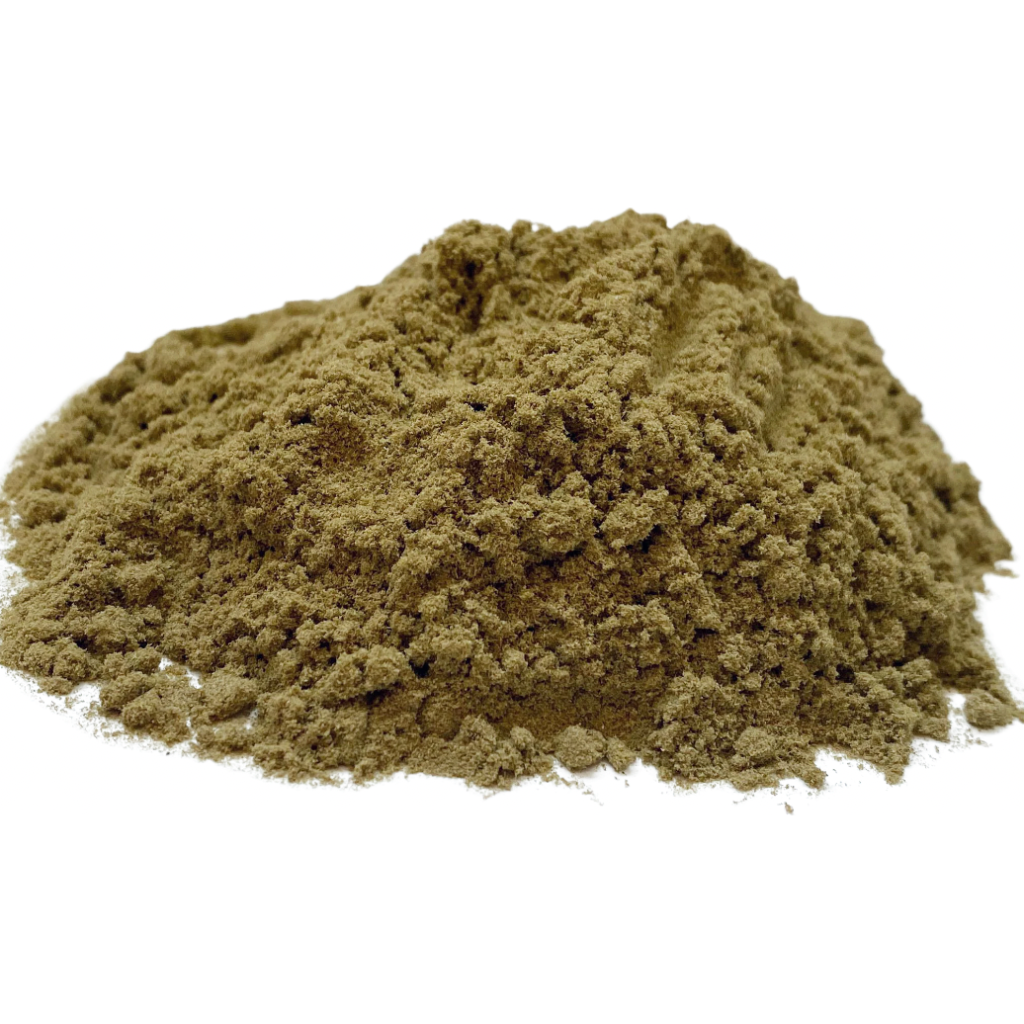
Shatter is the same broad material purged without agitation, so it sets as a brittle translucent sheet. Paste sits at the other extreme, thick and unpurged into a solid. Hash and kief are mechanically produced rather than solvent extracted: kief is sieved resin glands, and hash is kief compressed under heat and pressure.
Solvent, solventless and what the difference means
Solvent extraction dissolves the target compounds out of plant material using a chemical carrier, then removes that carrier. Hydrocarbons such as butane and propane give excellent yields and preserve volatile compounds well, but demand thorough purging. Ethanol is efficient and clean when recovered properly. Supercritical CO2 leaves nothing behind at all because the solvent simply evaporates.
Solventless production uses only physical force and temperature. Sieving produces kief. Pressing kief produces hash. Ice water agitation separates resin glands by density, and pressing the result produces rosin. Nothing chemical is introduced at any stage, which is why solventless products command a premium.
Neither route is inherently better. A well made and properly tested solvent extract is clean, and a badly made solventless product can still carry plant contamination. What matters is testing, which is why residual solvent analysis exists and why you should look for it.
Reading purity and weight
Concentrates are sold by weight and percentage. A one gram product at 70 percent contains 700 mg of the stated cannabinoid. A one kilogram isolate at 99.7 percent contains close to 997 g. That arithmetic is the whole basis of comparing prices across this category.
Price per gram is misleading on its own. A gram at 40 percent and a gram at 80 percent are not the same purchase, and the second is better value even at twice the price. Convert everything to cost per gram of actual cannabinoid before deciding.
Check which cannabinoid is being quoted. This category includes several distinct compounds, and a percentage figure means nothing until you know what it is a percentage of. Our CBD oil listings use the same convention in millilitres rather than grams.
Concentrate forms compared
The table sets out how the forms differ on the characteristics that actually affect what you buy.
| Form | Made by | Typical purity | Texture | Measurable | Notes |
|---|---|---|---|---|---|
| Isolate | Purification and crystallisation | 99 percent and above | Powder or crystal | Excellent | Odourless, single compound |
| Distillate | Fractional distillation | High | Thick viscous liquid | Good | Retains more than one compound |
| Shatter | Solvent, purged undisturbed | Moderate to high | Brittle translucent sheet | Moderate | Snaps cleanly when cold |
| Crumble or wax | Solvent, agitated while purging | Moderate to high | Soft, crumbly | Moderate | Same material, different texture |
| Kief | Mechanical sieving | Lower | Fine loose powder | Poor | Solventless, unrefined |
| Hash | Kief pressed with heat | Lower to moderate | Firm block | Poor | Solventless, traditional method |
Measurability is the column most people ignore and the one that matters most if you care about consistency. Isolate is the only form where the weight and the content are close to the same number.
Certificates of analysis and what to check
A certificate of analysis is a laboratory report on a specific batch. For concentrates it should cover four things: cannabinoid content, residual solvents, heavy metals and pesticides. All four matter, and residual solvents matter most for anything solvent extracted.
Match the batch number on the certificate to the batch number on the product. A certificate for a different batch is not evidence about the one in your hand, and a certificate with no batch number is close to worthless.
Check the date. Cannabinoid content changes slowly over time as compounds degrade, so a certificate from years ago describes a product that no longer exists in that state. A supplier who cannot produce a current, matched certificate is asking you to take their word for it.
Storing concentrates
Light, heat, air and time all degrade concentrates, and the effect is visible. A translucent shatter that has been warm turns cloudy and soft as it nucleates, which is a physical change rather than spoilage but does mean it has been stored badly.
Keep concentrates in airtight non stick containers, silicone or glass, somewhere cool and dark. Refrigeration helps for long term storage but condensation on removal is a real problem, so let a container reach room temperature before opening it.
Isolate is the most stable form by a wide margin because there is very little in it to degrade, and kept dry and dark it keeps for years. Unrefined forms such as kief and hash contain far more plant material and change noticeably faster.
Handling and measuring
Concentrates are sticky, static prone or both, and handling them badly wastes expensive material. Use a metal or glass tool rather than fingers, since warmth makes most forms adhere instantly to skin.
Cold makes shatter and similar forms snap cleanly rather than stretch, so chilling a piece briefly before dividing it produces clean breaks. Isolate powder is the opposite problem, generating static and scattering, so work on a tray and in still air.
If you are measuring, use digital scales that read to at least a hundredth of a gram. Estimating by eye at these concentrations is not realistic, and the difference between a tenth of a gram and a twentieth is substantial when the material is 99 percent pure.
How concentrates are typically used
Isolate powder is most often dissolved into a fat, because cannabinoids are fat soluble. Warming a carrier oil gently and stirring isolate in until it goes clear is the standard approach, and it lets you make a product of precisely the strength you want rather than buying a preset one.
Distillate and the softer extracts are also used in this way, though they bring colour and flavour with them. Some products in our CBD vapes range are built from distillate for exactly this reason, and terpenes are often reintroduced afterwards to restore the aroma that refinement removed.
Traditional solventless forms such as hash and kief are generally used in their original state rather than processed further, which is much of their appeal. Whichever route you take, the arithmetic matters: a gram of 99 percent isolate stirred into 100 mL of carrier makes roughly a 10 mg per millilitre preparation, and getting that wrong by a factor of ten is easy if you do not write it down.
Where buyers most often go wrong
The first mistake is treating the form as a grade. Shatter is not better than crumble, and hash is not worse than distillate. They are different processes producing different physical states, and the right one depends on what you intend to do with it.
The second is buying on price per gram without adjusting for purity, which makes weak products look cheap and strong ones look expensive. The third is assuming a percentage on a label refers to the cannabinoid you have in mind, when this category contains several distinct compounds that are not interchangeable.
The fourth is ignoring testing entirely. With concentrates more than any other format, what was used to make the product and what remains in it are questions only a laboratory can answer, and a supplier who cannot produce a matched, current certificate is asking for trust they have not earned.
Where concentrates sit in Canadian law
Cannabinoids in Canada are regulated under the Cannabis Act, and that applies to CBD as well as THC, regardless of whether the source material was hemp or cannabis. Concentrates are not treated as ordinary goods or supplements.
Legal retail sale of cannabis products runs through provincially authorised retailers, and health claims about cannabinoid products are not permitted without authorisation. Health Canada on cannabinoids publishes the federal position, and Health Canada cannabis information covers the wider framework.
We describe what we stock accurately, by form, weight and stated purity, and we make no health claims about any of it. the Canadian Centre on Substance Use and Addiction publishes independent material worth reading alongside anything a retailer says.
Ordering and delivery
We operate an age gate and ship only inside Canada in Canadian dollars. Carriers, timings and tracking are on our shipping and delivery page, and damage in transit is covered on our returns policy page.
Because these are consumable products sold by weight, opened items cannot be returned unless there is a fault. Check the batch number against any certificate on arrival.
Related ranges use the same underlying extracts in other formats: CBD edibles for swallowed products, CBD vapes for inhaled, CBD drinks and teas for beverages and smokable hemp for smokable material. Our full CBD and hemp range lists everything together, and terpenes covers the aromatic compounds often reintroduced after extraction.
Common questions
What is the difference between shatter, crumble and wax?
Broadly the same material finished differently. Shatter is purged undisturbed so it sets as a brittle translucent sheet. Crumble and wax are agitated or whipped during purging, which introduces air and produces a soft opaque texture. The composition is similar, the physical state is not.
What does isolate mean?
A single cannabinoid purified to 99 percent or above, arriving as a white crystalline powder or crystals with essentially no smell or taste. It is the most precisely measurable form, because almost all of the weight is the compound itself.
Is solventless better than solvent extracted?
Not inherently. Solventless production uses only physical force and temperature, so nothing chemical is introduced, and it commands a premium for that reason. But a well made and properly tested solvent extract is clean, and a badly made solventless product can still carry plant contamination. Testing is what settles it.
How do I compare prices between concentrates?
Convert to cost per gram of actual cannabinoid rather than cost per gram of product. A gram at 40 percent and a gram at 80 percent are not the same purchase, and the stronger one is better value even at twice the price.
What should a certificate of analysis cover?
Cannabinoid content, residual solvents, heavy metals and pesticides, with a batch number matching the product and a recent date. Residual solvent testing matters most for anything solvent extracted. A certificate for a different batch is not evidence about the one you have.
How should I store concentrates?
In an airtight non stick container, silicone or glass, somewhere cool and dark. Heat makes translucent forms turn cloudy and soft, which indicates poor storage. Isolate is by far the most stable form and keeps for years if dry and dark.