CBD Drinks and Teas
Hemp teas you brew and water soluble preparations you stir into a drink you already have. Two different answers to the same problem, that cannabinoids are fat soluble and water is not. We make no health claims.
This range covers two related things that behave quite differently: hemp teas made from dried plant material that you brew, and water soluble preparations you stir into a drink you already have. Both end up as a beverage, but the chemistry, the preparation and what actually reaches you are not the same.
Underlying both is one awkward fact: cannabinoids are fat soluble and water is not a fat. Everything in this category is a way of working around that, whether by brewing with something fatty present or by processing the extract into droplets small enough to stay suspended in water. This page explains both routes properly.
Showing 1 to 12 of 38 results
-
CBD Drinks and Teas
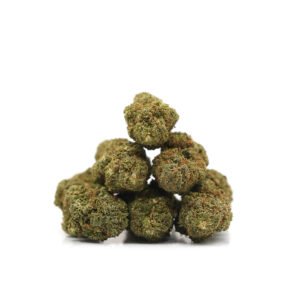
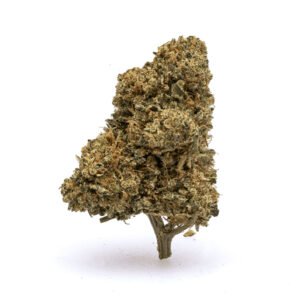
Amnesia Haze CBD Flower Tea
$9.99 to $2,199.99 Select options This product has multiple variants. The options may be chosen on the product page -
CBD Drinks and Teas
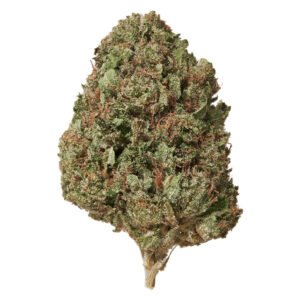
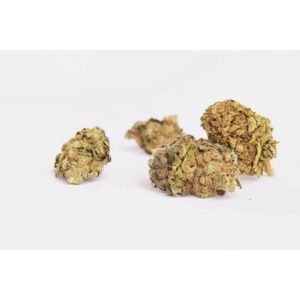
Banana Kush CBD Flower Tea
$9.99 to $2,199.99 Select options This product has multiple variants. The options may be chosen on the product page -
CBD Drinks and Teas
Blueberry Pie CBD Flower Tea
$9.99 to $2,199.99 Select options This product has multiple variants. The options may be chosen on the product page -
CBD Drinks and Teas
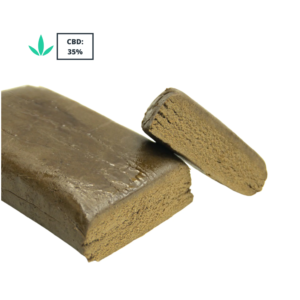
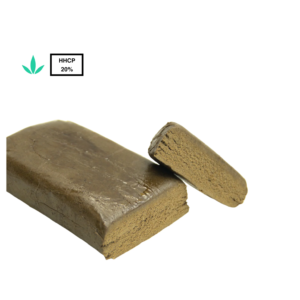
CBD Afghan Hash Hemp Tea
$19.99 to $109.99 Select options This product has multiple variants. The options may be chosen on the product page -
CBD Drinks and Teas
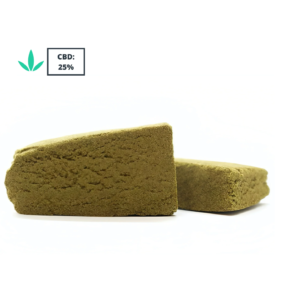
CBD Moroccan Blond Hash Hemp Tea
$17.99 to $99.99 Select options This product has multiple variants. The options may be chosen on the product page -
CBD Drinks and Teas
Cookie Kush CBD Flower Tea
$9.99 to $349.99 Select options This product has multiple variants. The options may be chosen on the product page -
CBD Drinks and Teas
Gelato CBD Flower Tea
$9.99 to $2,199.99 Select options This product has multiple variants. The options may be chosen on the product page -
CBD Drinks and Teas
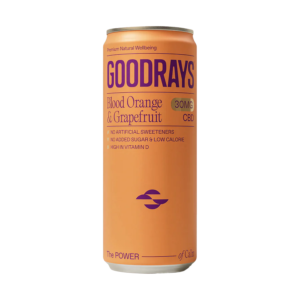
Goodrays CBD Drink 30mg CBD Per Drink
$2.99 Select options This product has multiple variants. The options may be chosen on the product page -
CBD Drinks and Teas
H4CBD Amnesia Haze Flower Tea
$14.99 to $2,199.99 Select options This product has multiple variants. The options may be chosen on the product page -
CBD Drinks and Teas
H4CBD Lime Purple Flower Tea
$14.99 to $2,199.99 Select options This product has multiple variants. The options may be chosen on the product page -
CBD Drinks and Teas
H4CBD Melonade Flower Tea
$14.99 to $2,199.99 Select options This product has multiple variants. The options may be chosen on the product page
Why water and cannabinoids do not mix
Cannabinoids are lipophilic, meaning they dissolve readily in fats and oils and very poorly in water. Drop an oil based extract into a glass of water and it will sit on the surface or cling to the glass rather than dispersing, which is exactly what you would expect.
That creates two practical problems for anything beverage shaped. The first is distribution: if the extract is not evenly spread through the liquid, one mouthful contains most of it and the rest contains almost none. The second is that whatever clings to the container never reaches you at all.
Every product in this category exists to solve one or both problems. Teas solve it partly by brewing with fat present. Water soluble preparations solve it by emulsification, which is a genuine piece of food technology rather than a marketing term.
Hemp teas and how brewing works
Hemp tea is dried plant material, sometimes blended with other botanicals, brewed like any other infusion. The aromatic compounds and some water soluble components transfer readily into hot water, which is why a hemp tea smells and tastes distinctly of the plant.
The cannabinoids themselves transfer far less readily, for the reason set out above. This is why the traditional preparation adds a fat to the cup, commonly a splash of whole milk, cream or a spoonful of coconut oil. The fat gives the cannabinoids something to dissolve into and keeps them suspended rather than clinging to the pot.
Steeping time and temperature matter more than with an ordinary tea. Longer steeping in properly hot water extracts more, and covering the cup while it steeps keeps volatile aromatic compounds in the liquid rather than letting them escape as steam. Our terpenes page explains why those compounds evaporate so readily.
Water soluble preparations and emulsification
Water soluble is a slight misnomer. These products are not genuinely dissolved, they are emulsified: the oil has been processed into droplets small enough to remain suspended in water without separating out, in the same way that homogenised milk keeps its fat suspended.
Droplet size is what distinguishes a good emulsion from a poor one. Larger droplets produce a cloudy liquid that separates over time. Very small droplets, produced by high shear or ultrasonic processing, stay suspended far longer and often produce a clear or only faintly hazy liquid.
These preparations come as liquids and as powders. Powders are more stable in storage and easier to ship, and are reconstituted when stirred into liquid. Liquids are more convenient. Both should disperse when stirred rather than beading on the surface, and a product that beads has not been emulsified properly.
Formats compared
The two families suit different situations, and the table sets out how.
| Format | Preparation | Needs added fat | Dispersion in water | Best for |
|---|---|---|---|---|
| Hemp tea, loose | Brew, steep, strain | Yes, for cannabinoids | Partial | Traditional preparation, aroma |
| Hemp tea, sachets | Brew and steep | Yes, for cannabinoids | Partial | Convenience, consistent portions |
| Water soluble liquid | Stir into any drink | No | Good if well made | Cold drinks, adding to what you already have |
| Water soluble powder | Stir into any drink | No | Good if well made | Storage stability, travel |
| Ready made infused drink | Open and drink | No | Already done | Convenience, no preparation |
If you want the ritual and the aroma, brew a tea. If you want to add something to a coffee, a smoothie or a glass of water without changing the taste much, a water soluble preparation is the better tool.
Making a hemp tea properly
Use water just off the boil rather than fully boiling, which scorches delicate botanicals. Use more material than you would for an ordinary tea, since hemp is bulky and light.
Add the fat at the start of the steep rather than at the end, so it is present while extraction is happening. A tablespoon of whole milk, a splash of cream or a small spoon of coconut oil all work. Cover the cup or pot while it steeps, which keeps aromatic compounds in the liquid.
Steep for considerably longer than a normal tea, ten to fifteen minutes rather than three, and stir partway through. Strain thoroughly, because loose plant material left in the cup continues to release tannins and turns the drink bitter.
Using water soluble preparations
Read the label for strength per serving rather than per container, in the same way you would with anything else. Powders in particular are often supplied in bulk, and a scoop is not a standard unit.
Stir into liquid rather than expecting it to disperse on its own, and give it a few seconds. Cold liquids take slightly longer than warm ones. If the product beads on the surface or leaves a visible film on the glass, the emulsion is not working and you are losing part of what you paid for.
Avoid adding to anything strongly acidic if you can, since low pH can destabilise some emulsions. Consume within a reasonable time rather than leaving a prepared drink standing for hours, because emulsions separate eventually and the last mouthful is then unrepresentative of the first.
Storage and shelf life
Dried tea keeps well if it is kept sealed, dry and out of light, and it behaves like any other loose leaf product. Humidity is the main enemy, and a tea that has taken on moisture loses aroma quickly and can develop off notes.
Water soluble powders are generally the most stable format in this whole category because there is no water present to support anything. Keep them sealed and dry. Liquids should be kept cool and away from light, and once opened they have a finite life.
Ready made beverages behave like any other drink and should be treated as such. Refrigerate after opening and consume within the period the label states. If a drink has separated and will not remix with a shake, the emulsion has failed.
What to look for when buying
For teas, look at the actual blend. A good hemp tea lists its botanicals rather than describing itself vaguely, and the supporting ingredients matter because they carry most of the flavour. Whole material generally beats dust, which is what cheap tea bags often contain.
For water soluble preparations, the key questions are droplet size or the emulsification method used, and whether the supplier will say. A product that describes itself as nano emulsified or produced by high shear processing is telling you something. One that says only water soluble is not.
For everything, a batch number and an independent certificate of analysis matched to that batch is what separates a stated strength from a verified one. The same standard applies across our CBD oil and CBD concentrates ranges.
What else is in a hemp tea blend
Very few hemp teas are hemp alone, and the supporting botanicals do most of the work on flavour. Knowing what they contribute makes choosing between blends far less arbitrary.
Peppermint and spearmint lift a blend and cover the grassy note that some people dislike in plain hemp. Chamomile and lavender push it in a floral direction and sit well in an evening drink. Ginger and cinnamon add warmth and body. Citrus peel brightens everything and is often what makes a blend taste fresh rather than dusty. Rooibos and honeybush are used as bases because they add colour and sweetness without tannic bitterness.
Fruit flavoured blends, the kind named after a variety such as a haze or a kush, are usually built with the aromatic compounds described in our guide to terpenes rather than from the fruit itself. That is not a criticism, it is simply how the flavour is achieved, and a well built profile is convincing.
Where these products sit in Canadian law
Cannabinoid products in Canada are regulated under the Cannabis Act, and that covers CBD whether it came from hemp or from cannabis. Beverages and edible preparations are not treated as ordinary food or drink.
Legal retail sale of cannabis products runs through provincially authorised retailers, and health claims are not permitted without authorisation. Health Canada on cannabinoids sets out the federal position, and the Canadian Food Inspection Agency covers food labelling and safety requirements more generally.
We describe what we stock accurately and make no health claims about any of it. the Canadian Centre on Substance Use and Addiction publishes independent material worth reading alongside anything a retailer says, including us.
Ordering and delivery
We operate an age gate and ship only inside Canada, in Canadian dollars. Carriers, timings and tracking are on our shipping and delivery page, and our returns policy page covers damage in transit, which is worth reading before ordering liquids.
Opened consumable products cannot be returned unless faulty. Check packaging integrity and batch numbers on arrival.
The rest of the range covers the same extracts in other formats: CBD edibles for swallowed products, CBD vapes for inhaled, smokable hemp for smokable material, and our full CBD and hemp range lists everything together.
Common questions
Why do I need to add milk or oil to hemp tea?
Cannabinoids are fat soluble and transfer poorly into plain hot water. Adding a fat at the start of the steep gives them something to dissolve into and keeps them suspended in the drink rather than clinging to the pot. A splash of whole milk, cream or a little coconut oil all work.
Is water soluble CBD really dissolved in water?
Not literally. It is emulsified, meaning the oil has been processed into droplets small enough to stay suspended in water without separating, in the same way homogenised milk keeps its fat suspended. Smaller droplets stay suspended longer and produce a clearer liquid.
How long should I steep hemp tea?
Considerably longer than ordinary tea, around ten to fifteen minutes rather than three, in water just off the boil rather than fully boiling. Cover the cup while it steeps so aromatic compounds stay in the liquid, stir partway through, and strain thoroughly to avoid bitterness.
How can I tell if a water soluble product is any good?
It should disperse when stirred rather than beading on the surface or leaving a film on the glass. A supplier who will state the emulsification method or the droplet size is telling you something useful. One that says only water soluble is not.
How should I store these products?
Dried teas sealed, dry and out of light, with humidity the main risk. Powders are the most stable format because no water is present. Liquids cool and away from light, with a finite life once opened. Ready made drinks refrigerated after opening.
Are CBD drinks legal in Canada?
Cannabinoid products are regulated under the Cannabis Act whether derived from hemp or cannabis, so they are not treated as ordinary food or drink. Legal retail runs through provincially authorised retailers and health claims are not permitted without authorisation. Health Canada publishes the current position.