CBD and Hemp
This is the top level of our cannabinoid and hemp range, and it exists mainly to make the rest of it navigable. Six sub ranges sit underneath it, and they differ from each other far more than the shared label suggests: oils, edibles, concentrates, drinks, vapes and smokable hemp.
What separates them is not strength or quality but route and format, and that changes how quickly anything happens, how precisely you can measure it and what equipment you need. This page explains the differences, defines the terminology that recurs across all six, and states plainly where these products sit in Canadian law.
Showing 181 to 192 of 200 results
The six sub ranges and what each one is
CBD oil is extract suspended in a carrier oil and sold in dropper bottles, measured in milligrams per millilitre. It offers the finest adjustment of any format because you measure by the drop.
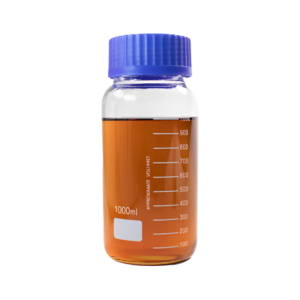
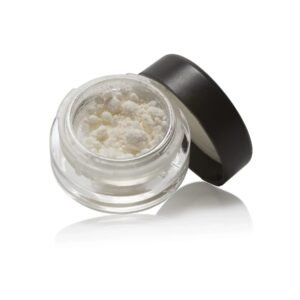
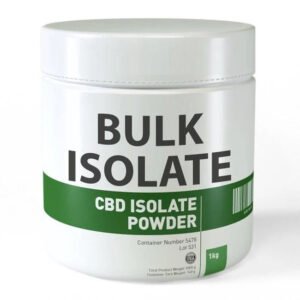
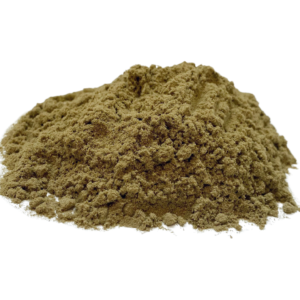
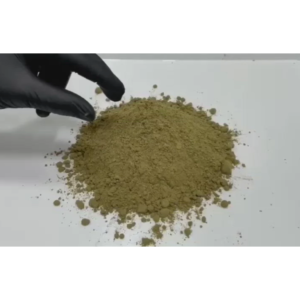
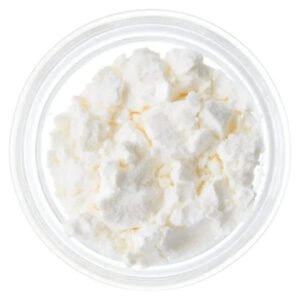
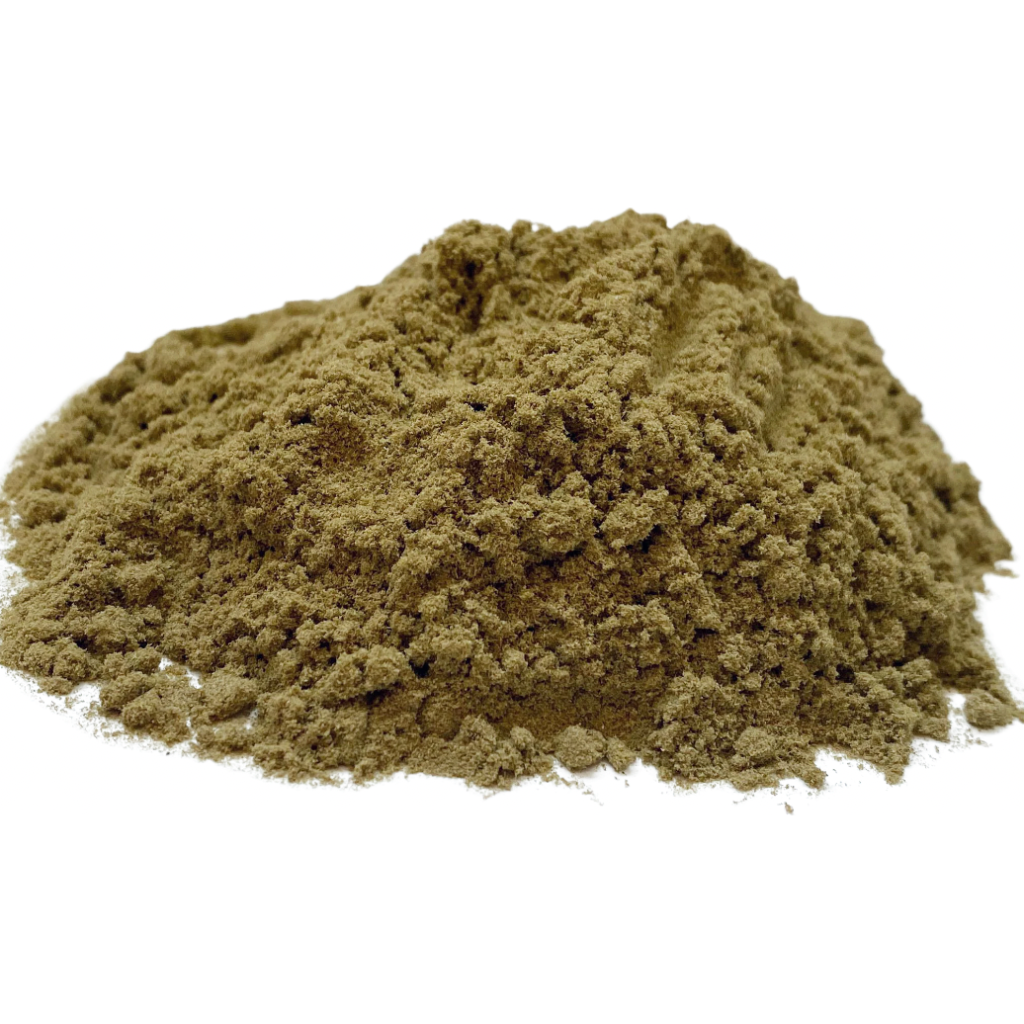
CBD edibles are swallowed products, from gummies to chocolate and chewing gum, measured per piece. CBD concentrates are sold by weight and stated purity rather than by dose, covering isolate, distillate, crumble, shatter, kief and hash.
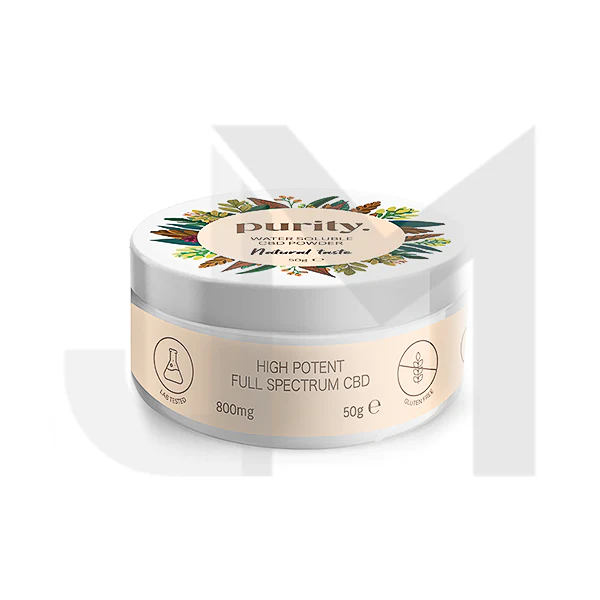
CBD drinks and teas covers brewed hemp teas and water soluble preparations you stir into an existing drink. CBD vapes are inhaled products using the same hardware as nicotine vaping. Smokable hemp is dried plant material for rolling, with no nicotine in it.
The terminology that recurs everywhere
Full spectrum means the extract retains the complete range of compounds from the source plant, including minor cannabinoids, terpenes and trace THC. Broad spectrum retains that range but has had the THC removed by an additional processing step. Isolate is a single purified compound with everything else stripped out.
Those three terms appear across every sub range and mean the same thing in each. They describe composition rather than strength, so a full spectrum product is not automatically stronger or weaker than an isolate one.
Terpenes are the aromatic compounds that give plants their smell, covered properly in our guide to terpenes. They are frequently removed during refinement and reintroduced afterwards, which is why a heavily processed product can still smell distinctly of the plant.
Why the format changes everything
Anything swallowed passes through the digestive system and the liver before reaching general circulation, which makes onset slow and variable. Anything inhaled crosses from the lungs into the bloodstream directly, which makes onset fast. Anything held under the tongue or against the gum sits somewhere between the two.
That single anatomical difference explains why the advice attached to each range differs so much. With a slow format, the standard guidance is to start small and wait far longer than feels necessary, because redosing early is how people end up with much more than they intended. With a fast format you can assess and stop.
It also explains why precision varies. Oil measured by the drop allows small adjustments. Edibles adjust in whole pieces. Concentrates are measured by weight on scales. Smokable material is the least precise of all.
The six ranges compared
The table compares them on the practical characteristics rather than on preference.
| Range | Route | Onset | Precision | Equipment needed | Discretion |
|---|---|---|---|---|---|
| CBD oil | Sublingual or swallowed | Moderate | Highest, by the drop | None | High |
| Edibles | Swallowed | Slowest and most variable | Per piece | None | Highest |
| Drinks and teas | Swallowed | Slow | Per serving | Kettle or a glass | High |
| Concentrates | Varies by preparation | Varies | By weight, needs scales | Usually some | Low |
| Vapes | Inhaled | Fastest | Moderate | Battery and cartridge | Moderate |
| Smokable hemp | Inhaled by combustion | Fast | Lowest | Papers or a grinder | Lowest |
Plenty of people use more than one of these. The thing to watch is the total, which is genuinely easy to lose track of when the formats behave so differently from one another.
Testing, and the one thing worth insisting on
A certificate of analysis is an independent laboratory report on a specific batch. It is the only thing that turns a number printed on packaging into a verified fact, and it is the single most useful quality signal across every one of these ranges.
A good certificate covers cannabinoid content as a minimum, and ideally also residual solvents, heavy metals and pesticides. Residual solvent testing matters most for solvent extracted concentrates, and it matters again for anything inhaled, because you are heating and breathing whatever is present.
Match the batch number on the certificate to the batch number on the product, and check the date. A certificate for a different batch is not evidence about the one in your hand, and an old certificate describes a product that has since changed.
What separates a good supplier from a poor one
Clear labelling comes first. A product that states the extract type, the strength in a meaningful unit, the batch number and the carrier or base is telling you what you need. One that says only strong, premium or pure is telling you nothing verifiable.
Meaningful units are the part people miss. Total milligrams across a pack, or a percentage with no stated compound, are not comparable figures. Milligrams per millilitre, milligrams per piece and percentage of a named cannabinoid are.
Restraint about claims is the third signal, and it is a better indicator than most people realise. A supplier making confident health claims about a cannabinoid product is either unaware of the rules or unconcerned by them, and neither is reassuring.
Storage principles across the whole range
Light, heat, air and time degrade cannabinoids regardless of format. That is why oils come in amber or cobalt glass, why concentrates are sold in opaque containers, and why every one of these products belongs in a cool dark cupboard rather than a windowsill or a car.
Beyond that, each format has its own weakness. Edibles are food first and follow food rules. Dried material is ruined by humidity. Emulsions separate eventually. Cartridges thicken in cold and can leak with temperature and pressure changes.
Keep everything in its original labelled packaging, which matters most with edibles precisely because they look like ordinary confectionery. Store the whole range well out of reach of children and pets, and if any is consumed accidentally contact your provincial poison centre immediately.
The cannabinoids you will see named
CBD is the one most people arrive looking for, and it is the compound this whole range is named after. It is not intoxicating, which is the main thing that distinguishes it from THC in ordinary conversation.
Beyond it, several other compounds appear on labels across these ranges. CBG is found in much smaller quantities in the plant and is correspondingly more expensive to isolate. CBC is another minor cannabinoid appearing in isolate form. Then there is a group of semi synthetic and modified compounds with names such as H4CBD, HHC, HHCP and THCP, which are produced by chemically altering a starting cannabinoid rather than being extracted directly in quantity.
That last group matters, because these are genuinely different compounds with different properties, and the similarity of the abbreviations invites confusion. A percentage on a label means nothing until you know which compound it refers to. If a listing does not name the compound clearly, that is a reason for caution rather than a detail to skip over.
A practical way to choose
Start from the constraint rather than the product. If you cannot inhale anything, that removes two ranges immediately. If you need it to be invisible, edibles and pouches are where to look. If you want to adjust in small steps, oil is the only format that really allows it.
Then consider equipment. Oils, edibles and drinks need nothing. Vapes need a battery and a cartridge, covered in our 510 thread batteries range. Concentrates usually need something to prepare them with, and smokable hemp needs papers or a vaporizer.
Then buy the smallest quantity available. Format preference in this category is strongly personal and not easy to predict in advance, and a large container of something that turns out not to suit you is a waste. Everything here is available in small sizes for that reason.
Where this entire range sits in Canadian law
This deserves to be stated plainly rather than buried. In Canada, cannabinoids including CBD are regulated under the Cannabis Act, and that applies whether the source material was hemp or cannabis and regardless of THC content. These are not treated as ordinary supplements or foods.
Legal retail sale of cannabis products in Canada runs through provincially authorised retailers, and health claims about cannabinoid products are not permitted without authorisation. Health Canada on cannabinoids and Health Canada cannabis information publish the federal position directly and are the authoritative sources rather than any retailer, including us.
We describe what we stock accurately, by format, strength and composition, and we make no health or medical claims about any of it. the Canadian Centre on Substance Use and Addiction publishes independent material worth reading alongside anything sold to you. If you are considering any of this for a health reason, or you take prescription medication, speak to a clinician or pharmacist first.
Ordering and delivery
We operate an age gate on every visit and ship only within Canada, in Canadian dollars. Carriers, timings and tracking are on our shipping and delivery page, and our returns policy page covers damage and faults.
Opened consumable products cannot be returned unless there is a fault, so check packaging integrity and batch numbers on arrival rather than after opening.
If you are looking for nicotine products rather than cannabinoid ones, our disposable vapes, vape juice and vape kits ranges are separate, and nicotine free vapes covers zero nicotine vaping. Our full catalogue lists everything together.
Common questions
What is the difference between full spectrum, broad spectrum and isolate?
Full spectrum keeps the complete range of plant compounds including trace THC. Broad spectrum keeps that range with the THC removed. Isolate is a single purified compound with everything else stripped out. They describe composition rather than strength.
Which format should I choose?
It depends on how fast, how precise and how discreet you need it to be. Oil offers the finest adjustment by the drop. Edibles are the most discreet but slowest and most variable. Vapes are fastest. Concentrates are measured by weight and need scales.
Why do edibles take so much longer to act than vapes?
Anything swallowed passes through the digestive system and the liver before reaching general circulation, while anything inhaled crosses from the lungs into the bloodstream directly. That anatomical difference is why the guidance for each format differs so much.
What is a certificate of analysis and why does it matter?
An independent laboratory report on a specific batch, covering cannabinoid content and ideally residual solvents, heavy metals and pesticides. It is the only thing that turns a number printed on packaging into a verified fact. Match the batch number and check the date.
How should I store CBD and hemp products?
In a cool dark cupboard, in original labelled packaging, away from light, heat and air. Each format has its own weakness as well: edibles follow food rules, dried material is ruined by humidity, emulsions separate, and cartridges thicken in cold.
What is the legal position on CBD in Canada?
Cannabinoids including CBD are regulated under the Cannabis Act regardless of whether the source was hemp or cannabis and regardless of THC content. Legal retail runs through provincially authorised retailers and health claims are not permitted without authorisation. Health Canada publishes the current position.